TL;DR
Debt consolidation in the UK - key points
Debt consolidation through Extend Finance is only for clients who own property in the UK. It is most commonly arranged through a remortgage, additional borrowing or a second charge mortgage.
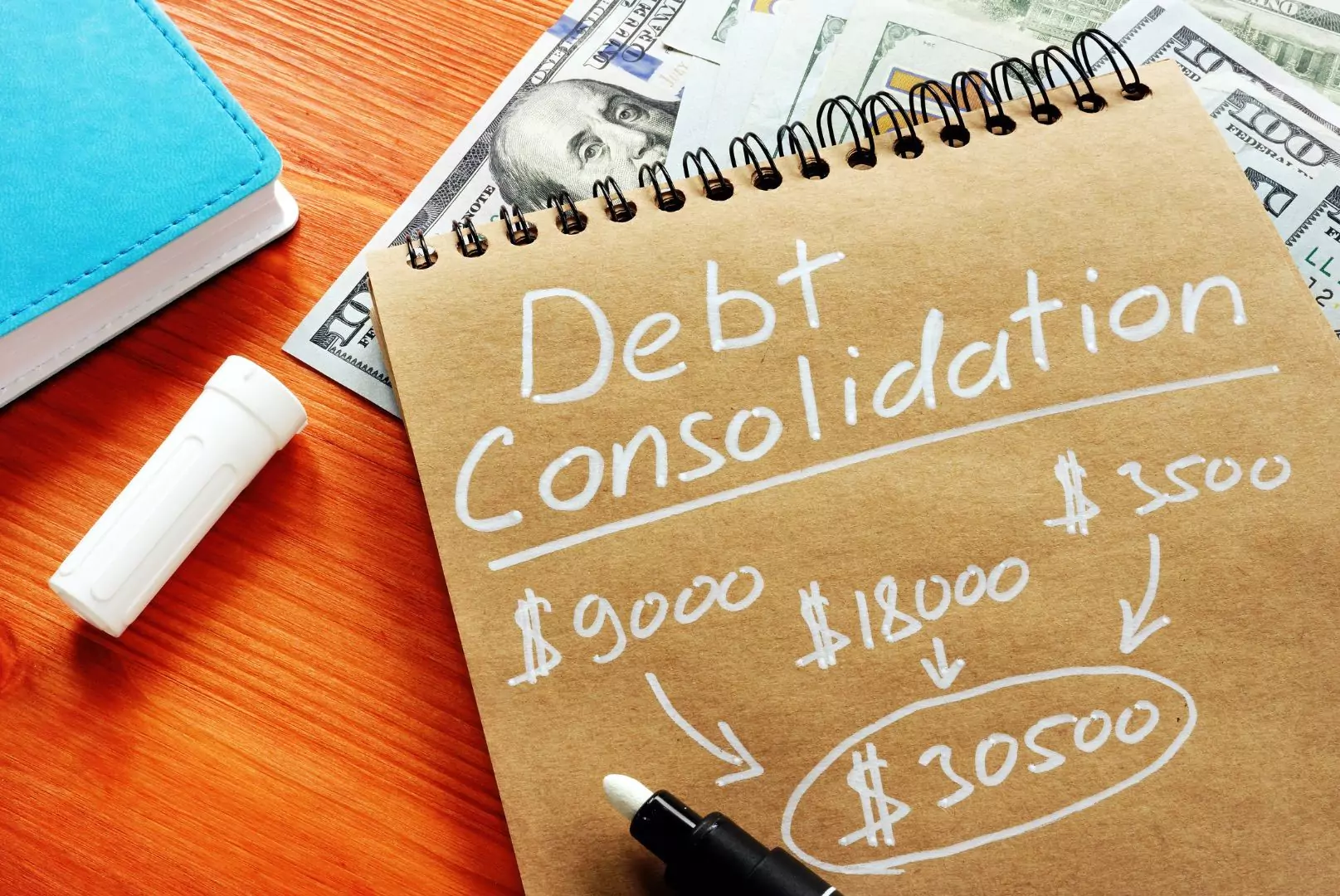
The aim may be to combine several commitments, such as credit cards, personal loans, overdrafts or finance agreements, into one payment. In practice, this can mean previous unsecured debts are moved onto borrowing secured against a property.
A lower monthly payment does not always mean a lower total cost. If the debt is spread over a longer period, you may pay more interest, and missed payments on secured borrowing can put the property at risk.
IMPORTANT
Debt consolidation services offered by Extend Finance are only for clients who own property in the UK.
Consolidation is arranged through:
- remortgage
- additional borrowing
- second charge mortgage
If you do not own property, need a small personal loan, funds for renovation, unsecured finance, a car loan or payday loan, this page does not cover those products.
What is debt consolidation?
Debt consolidation means combining several commitments into one repayment. For property owners, it may be arranged through remortgage, additional borrowing or a second charge mortgage.
If previous unsecured debts are moved into borrowing secured against a property, financial risk increases because missed payments can lead to the loss of your home.
More about changing your mortgage is available on the remortgage in the UK page, and wider mortgage context is available in mortgage services.
What debt consolidation options are there?
Remortgage
Replacing your current mortgage and raising additional funds to repay debts. The bank will assess income, credit history, loan-to-value, purpose of funds and total debt level.
Additional borrowing
Extra funds from your current lender. It may be simpler than a full remortgage, but still requires affordability and cost assessment.
Second charge mortgage
A second loan secured against the property. It may be considered when your current mortgage has good terms or a high early repayment charge, but it increases borrowing secured on your home.
Unsecured Consolidation Loan
An unsecured loan can combine debts without securing them on property, but Extend Finance does not provide unsecured debt consolidation services described on this page. This card is included only to explain the difference between solutions.
Risks
What should you watch out for with consolidation?
When debt consolidation is arranged through a mortgage, remortgage or second charge, some previous unsecured debts may be moved onto borrowing secured against your property. This increases risk because missed payments on secured borrowing can lead to the loss of your home.
Lower payment does not mean lower cost
Extending the repayment period may reduce the monthly payment, but increase the total amount of interest.
Securing debt on your home
If consolidation is arranged through a mortgage, remortgage or second charge, previous unsecured debts may become secured against the property.
Effect on affordability
The bank will assess current commitments, credit history, missed payments, debt level and income stability.
Risk of borrowing again
Consolidation does not solve the problem if credit cards or loans are paid off and then used again.
What may a lender refuse to accept for consolidation?
Not every type of debt will be accepted by a lender. A bank may refuse consolidation or ask for more explanation if the debts relate to gambling, regular payday loans, recent missed payments, uncontrolled credit card use, business debts, tax arrears or other commitments that suggest higher risk.
Gambling transactions
Many banks are very cautious about debt or transactions connected with gambling.
Payday loans
Regular payday loan use can significantly reduce the number of available lenders.
Recent credit problems
Missed payments, defaults or CCJs can limit available options.
Business debts and tax arrears
Not every lender will accept consolidation of business debts or tax arrears.
If the credit report shows missed payments, defaults or CCJs, it may help to review the poor credit mortgage guide first. With every application, the lender will also assess credit history and current affordability.
When can debt consolidation make sense?
Consolidation may be considered when a client has several commitments, high monthly payments, stable income and a realistic plan to avoid further borrowing. It may also be reviewed during a remortgage if the client wants to organise finances and compare a new mortgage product at the same time.
It is not suitable for everyone. If the issue is day-to-day budgeting, gambling, addiction, lack of spending control or regular use of new credit limits, free debt advice should be considered first.
Before applying, check affordability, current commitments, total cost and whether securing previous debts on your home is sensible in your situation.
Need independent help?
If the problem relates to current debt repayments or your financial situation needs independent help, it is worth using free debt advice.
Frequently asked questions
Will debt consolidation reduce my monthly payments?
It may reduce monthly commitments, but it does not always reduce the total cost. If the debt is spread over a longer period, the total interest may be higher.
Can I consolidate debts through a remortgage?
In some cases, yes. The bank will assess income, credit history, property value, current mortgage balance, loan-to-value, purpose of funds and overall debt level.
Is debt consolidation risky?
It can be. When debt consolidation is arranged through a mortgage, remortgage or second charge, some previous unsecured debts may be moved onto borrowing secured against your property. This increases risk because missed payments on secured borrowing can lead to the loss of your home.
Can a second charge mortgage be used for debt consolidation?
Sometimes. A second charge can be considered if the client does not want or cannot change the current mortgage, but cost, rate, fees and the risk of securing debt on the home still need to be compared.
Does consolidation help with bad credit?
Not always. Credit problems can limit lender choice and affect interest rates. The type of credit issue, date, current financial position, income and debt level all matter.
Can I keep using credit cards after consolidation?
Technically yes, but this can lead to borrowing again. Before consolidation, it is worth having a realistic budget plan and limits on future credit use.
Will a bank accept consolidation of gambling debts?
Many banks assess gambling-related debts or transactions very cautiously. Such a case may be declined or require additional explanation, even if income appears sufficient. The decision depends on lender, account history, credit report and the overall situation.
Can I consolidate payday loans?
Sometimes it is possible, but regular payday loan use can significantly limit lender choice. The bank will want to understand why the loans were used and whether the financial situation is now stable.
Does consolidation mean a larger mortgage?
Yes. If consolidation is arranged through a mortgage, remortgage or second charge, borrowing secured on the property usually increases. Monthly payment, total cost, term and the risk of securing previous debts on the home must be compared.
Can I consolidate debts without owning a property?
Not through the solutions described on this page. Extend Finance helps with consolidation arranged through mortgage, remortgage or second charge mortgage, which requires property ownership.
Can I borrow £5,000 or £10,000 for renovation through consolidation?
This page is about consolidation connected with property and borrowing secured on a home. If you need a small amount for renovation or other spending and do not own property, the solutions described here will usually not be suitable.