
One insurer refusing home insurance does not mean every insurer will refuse it. The decision may reflect the property’s construction, location or condition, who lives there, or your insurance history. Another insurer may offer cover on different terms, although specialist help may be needed and cover is not guaranteed.
If you are buying a home in the UK, check insurance availability early. An attractive quote is only useful if it covers the risks you need and meets any lender requirements.
TL;DR
In short
- Ask why cover was refused: insurers have different acceptance criteria, so one refusal is not a verdict on the whole market.
- Buildings insurance protects the structure; contents insurance protects belongings. Check exclusions, limits and the excess you would pay towards a claim.
- Non-standard construction, flood risk or previous subsidence may need individual assessment or specialist cover.
- Take reasonable care to answer the insurer’s questions accurately, including those about previous insurance and household circumstances.
- Before buying or switching, confirm the cover, conditions and start date in writing. Do not cancel existing cover until replacement cover is confirmed.

How does home insurance work in the UK?
Home insurance has two main parts, which can be bought separately or together:
- Buildings insurance covers the structure and permanent fixtures, such as the roof, walls and fitted kitchen, against events specified in the policy. These commonly include fire, storm, flood and escape of water.
- Contents insurance covers belongings such as furniture, clothes and electronics against insured events, including theft and fire. Accidental damage and cover away from home may be optional extras.
Neither policy pays for every loss. Check exclusions, excesses, single-item limits and how claims are settled. Routine maintenance and wear and tear are generally excluded; a damaged roof does not automatically mean a valid storm claim.
Mortgage lenders usually require suitable buildings insurance. For a leasehold flat, the freeholder or managing agent may arrange a block policy: check the lease and policy details with your conveyancer rather than assuming you need a separate policy. Buildings cover for a rented home is normally arranged by the landlord or through a block policy. Contents insurance is optional; tenants can choose cover for their own belongings. MoneyHelper’s buildings insurance guide explains these distinctions.

Why buildings insurance may be harder to arrange
Construction, roofs and condition
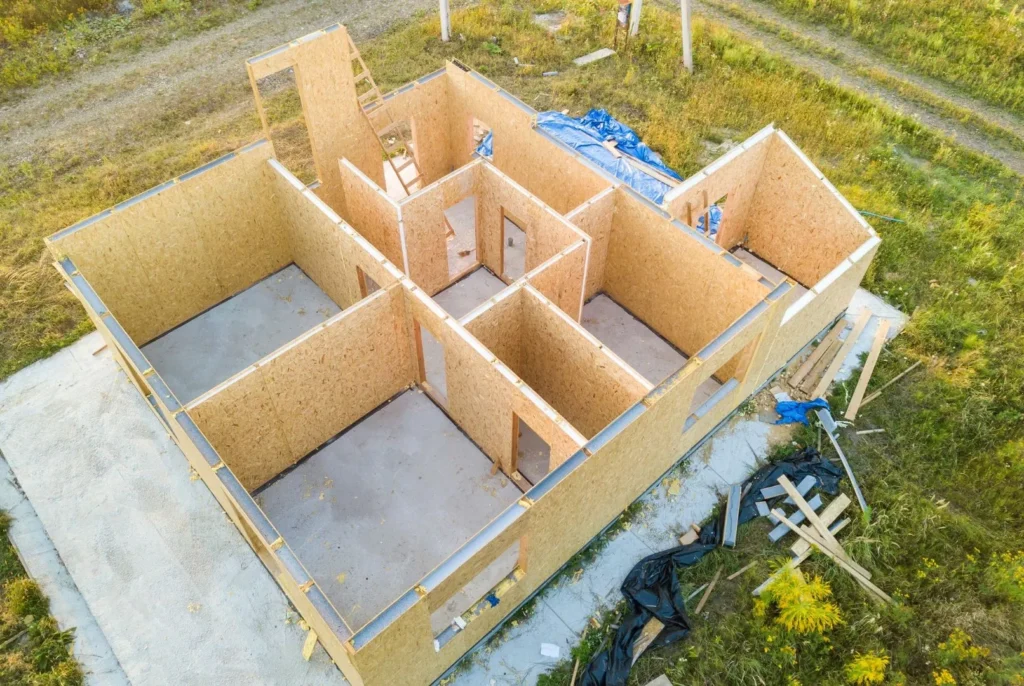
Insurers assess the building’s materials, age, condition and use. Their definitions of standard construction differ. Timber frames, prefabricated systems and concrete construction need accurate descriptions; they are not automatically uninsurable.
Flat and thatched roofs may prompt questions about materials, roof area, age, maintenance or fire precautions. There is no single flat-roof percentage or inspection timetable that all insurers apply. Ask what evidence and ongoing precautions the proposed policy requires.
Some older pre-cast reinforced concrete (PRC) construction systems have known defects. Establish the exact system, structural condition and any certified repairs. Modern prefabricated construction should not be treated as the same issue. Insurance and mortgage acceptance for unusual properties require separate checks; acceptance by one does not establish acceptance by the other.
Disrepair, major building work or extended periods without occupants can also fall outside a standard policy. Describe the actual circumstances and check any conditions before work starts or the home is left empty.
Listed buildings
Listed status can affect repair methods, materials and permissions, making a suitable reinstatement valuation particularly important. The rebuilding cost is not the property’s market value. Specialist skills and materials may increase costs, but there is no universal rebuilding multiplier or rule that standard insurers must refuse cover.
Ask whether the policy reflects the building’s conservation requirements and any necessary professional fees. Heritage rules differ across the UK; Historic England’s insurance guidance is a useful starting point for properties in England.
Flood risk and Flood Re
Previous flooding and future flood risk can affect price, excesses and whether flood cover is offered. Start with the government flood-risk service: it covers England and links to separate services for Wales, Scotland and Northern Ireland. These maps describe area risk, not a prediction that an individual home will or will not flood. Check the property’s history and any resilience measures as well.
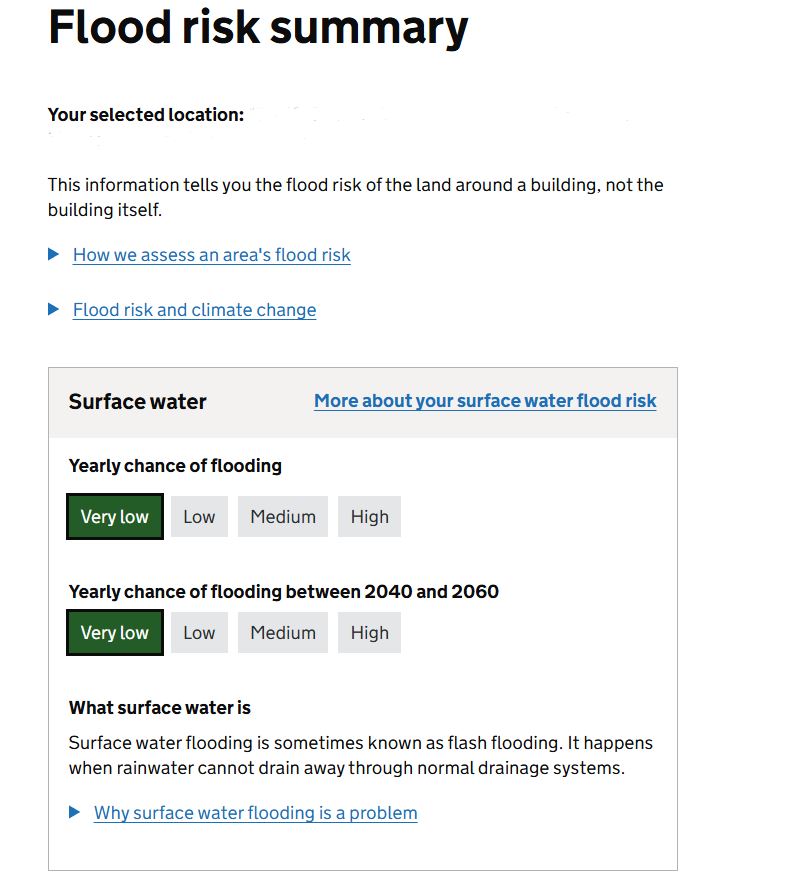
This example reports risk to the land around a building. It is not an assessment of your home or a guarantee of insurance.
Ask a participating insurer whether Flood Re could help. It is a reinsurance scheme used by insurers, not a policy you buy directly. Flood Re’s full eligibility criteria require the home to have been built before 1 January 2009, with private residential use and all the other policyholder, occupancy and property conditions met. The date alone is not enough. Buildings and tenants’ contents eligibility can differ, so do not assume every flat or rented home is excluded. Eligibility does not guarantee a particular quote, excess or offer of cover.
Subsidence and settlement
Subsidence involves the ground beneath the building moving downwards; settlement is movement caused by the building’s weight compressing the ground. They are distinct, and cracks alone do not establish the cause. Policy definitions and exclusions matter, as the Financial Ombudsman’s ground-movement guidance explains.
A history of subsidence can restrict options, but does not make every property uninsurable. Gather survey reports, claim details, repair records and any monitoring evidence. Speak to the current insurer and, if needed, a specialist broker. Check explicitly whether new cover includes subsidence, any related exclusions and the applicable excess.
Contents insurance, security and shared homes
Contents insurance protects against more than theft. Insurers may also assess the property’s flood history, occupancy and other risks to your belongings.
Locks and alarms can affect a quote, but a BS3621 lock or alarm is not a universal requirement for every home. Describe your actual security accurately and check any conditions about using it. Local claims patterns may affect pricing or availability; a postcode alone is not proof that no insurer will offer cover.

Living with housemates
Tell the insurer that the property is shared and check whose belongings the policy covers. Look at communal-area cover, any requirement to lock your room and theft exclusions. A policy may exclude theft by another resident or theft without forced entry. A product labelled “tenant insurance” does not automatically cover those situations; read its terms before relying on it.
How your circumstances affect a quote
Previous refusals, cancellations and claims
Insurers may ask about declined cover, cancelled or voided policies, claims and incidents within a specified period. These are different events: use the question’s wording and time limit, and ask for clarification if you are unsure. An open claim may need individual assessment rather than automatically preventing a new policy.
Insurers use shared claims information, but a previous claim or refusal does not place everyone on a universal insurance blacklist. If a decision appears to rely on incorrect information, ask the insurer to explain and correct its records.
For consumer insurance, you must take reasonable care to answer questions accurately. Check any assumptions you are asked to confirm and the statement of fact supplied with the quote. Do not guess about construction, past damage or dates; obtain the information or explain the uncertainty.
An incorrect answer is not automatically fraud. The consequences depend on the circumstances, including whether the insurer would have offered different terms and whether the error was careless, deliberate or reckless. They can include altered terms, a reduced claim payment or the policy being treated as invalid. The Financial Ombudsman’s disclosure guidance explains how these disputes are assessed.
Criminal convictions
For ordinary consumer home insurance, answer questions about unspent convictions accurately, including relevant assumptions. Check whose convictions the question covers: it may ask about the policyholder or other residents. Spent convictions normally do not need to be declared for this insurance.
Do not assume that any conviction means automatic refusal. Rehabilitation rules differ across UK jurisdictions; check whether a conviction is spent under the applicable rules. The Ministry of Justice rehabilitation guidance applies to England and Wales. If unsure, seek guidance before answering; Unlock’s insurance guide explains the disclosure questions and routes to specialist help.
Bankruptcy, credit and payment options
Bankruptcy or other financial circumstances may affect some insurers’ criteria, so answer relevant questions accurately. Difficulty obtaining monthly payments is a separate issue from whether an insurer will cover the home.
Monthly payment arrangements may involve premium finance, credit checks and interest. Not every monthly payment option works the same way. Compare the total cost, fees and cancellation terms with paying annually, and ask what alternatives are available if finance is declined. The FCA’s premium-finance information explains this form of borrowing.
What to do if home insurance is refused
- Establish the reason. Ask whether the problem is the property, the information supplied, the insurer’s criteria or the payment arrangement. Keep the response.
- Check your records. Review the application and obtain relevant surveys, repair evidence, flood history and previous policy or claim details. Correct mistakes promptly.
- Explore suitable insurers. A specialist broker may help with unusual risks. BIBA’s signposting service can help you find an appropriate route; it does not guarantee cover.
- Compare the actual protection. Check the rebuilding sum insured, contents limits, exclusions, excesses and ongoing conditions. Get written confirmation that the insurer has accepted the circumstances you disclosed.
- Confirm timing before committing. Before a property purchase becomes binding, ask your conveyancer when you need buildings cover and check the lender’s requirements. When switching, do not cancel the old policy until the replacement and its start date are confirmed, with no unintended gap.
You can discuss your home insurance needs with Extend Finance. Explain the reason for refusal so we can discuss whether our service is suitable for your circumstances. Some risks will need a specialist provider.
FAQ
Frequently asked questions
Does one home insurance refusal mean I cannot get cover?
No. Insurers have different acceptance criteria, so another provider may consider your home. Ask why the quote was declined and check your answers before approaching suitable insurers or a specialist broker. Any offer still needs to be checked for exclusions, excesses and conditions.
Do I need buildings insurance if I have a mortgage?
Your lender will usually require suitable buildings insurance. For a leasehold flat, an existing block policy may provide it; ask your conveyancer to check the arrangements and lender requirements. Confirm when cover must start rather than assuming it is only needed on moving day.
Can I insure a home with a flat roof or non-standard construction?
It may be possible, depending on the construction, condition and insurer. There is no single flat-roof percentage that every insurer accepts or rejects. Provide accurate details and any requested survey or repair evidence, then check the proposed cover and maintenance conditions.
Can Flood Re help if my home is at risk of flooding?
Ask a participating insurer to check eligibility. Flood Re requires the home to have been built before 1 January 2009 and all its other eligibility conditions to be met; the date alone does not qualify a property. Buildings and contents eligibility can differ, and qualifying does not guarantee a quote or a particular price.
What should I tell an insurer about my personal history?
Take reasonable care to answer the insurer’s actual questions, including relevant assumptions about previous insurance, claims and household circumstances. Check the time periods and people covered by each question. Unspent convictions may need to be declared when asked; spent convictions normally do not for ordinary home insurance. If anything is unclear, ask for clarification before confirming your answers.