TL;DR
In short
- A lender assesses both your finances and whether the property is suitable security for the loan.
- Construction, condition, lease terms and intended use can affect its decision.
- A mortgage valuation is different from a home survey and does not identify every defect.
- Flood maps are a starting point for investigation, not a guarantee of mortgage approval.
- Check property concerns with your adviser, surveyor and conveyancer before committing to the purchase.
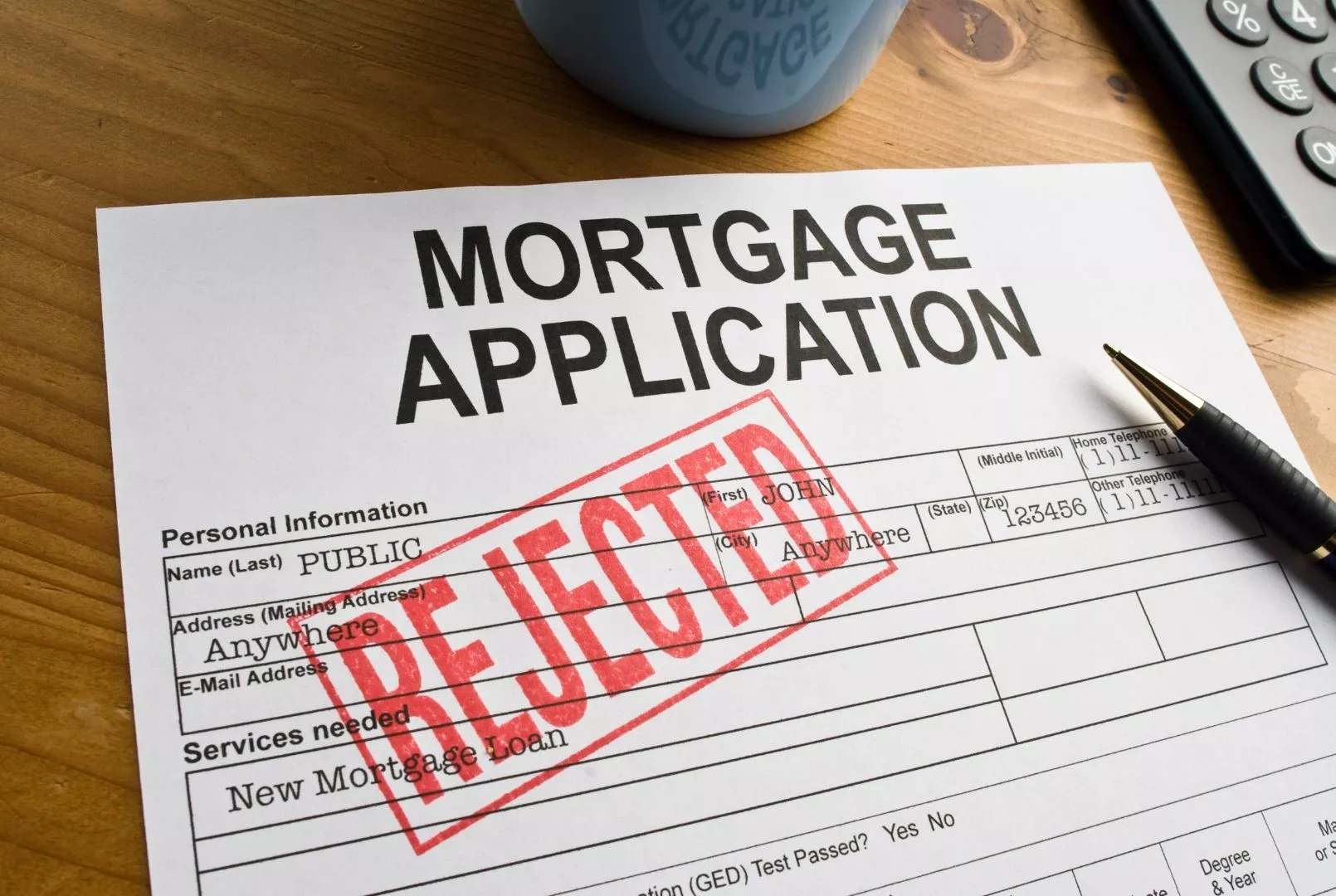
A lender can decline a property even if you meet its affordability requirements. This guide explains which property features deserve closer checks before a UK mortgage application. A concern does not automatically rule out a purchase: the outcome depends on the property, the lender and the evidence available.

Why check the property before applying?
A property issue can delay a purchase or stop the mortgage application from proceeding. Early enquiries may help you identify a concern before paying fees, although some issues emerge only during valuation, a survey or conveyancing.
A hard credit search checks your credit report. It is separate from the lender’s assessment of the property. Hard searches leave a record and can affect your credit score, especially when several applications are made close together. See Experian’s explanation of credit searches.
Check which costs would still be payable if the purchase falls through. Valuation, survey, legal and mortgage fees depend on the services and product chosen; a booking fee is not charged on every mortgage. Ask about refund terms before paying.
Raise concerns with your mortgage adviser and conveyancer early. A legal issue affecting the property may need investigation even if it was not apparent in the listing.

How lenders assess a property
Lending criteria are the rules a lender uses when considering an application. They cover the borrower as well as the property, including:
- Income, outgoings and credit history.
- The deposit and loan amount.
- The property’s value, construction, condition and tenure.
- Its intended use and suitability as security.
Published criteria provide a starting point. The lender may also need a valuation, legal checks or further reports before deciding. Ask your adviser to check the relevant lender’s current requirements for the particular property.
Property features that may affect a mortgage
Non-standard construction
The exact construction system matters more than a broad label. Timber frame, steel frame and concrete construction should not be treated as a single category with the same risks.
Ask for details of the materials, construction method and any repairs or certification. Lenders assess acceptability against their own criteria and valuation evidence. For example, Halifax’s property construction criteria say that non-standard construction is assessed on its individual merits and list specific exclusions.
Do not assume that an unfamiliar building method means faster deterioration or expensive insurance. Have the condition assessed and check that suitable buildings insurance is available.

Poor condition and structural concerns
A mortgage valuation is not a full condition survey. Arrange an appropriate home survey with a qualified surveyor if you need advice about defects or repairs. A survey also has limits: hidden or inaccessible problems may need specialist investigation. RICS explains the different survey levels and how they differ from a lender’s valuation.
Ask the lender how any identified works affect the application. Serious condition problems may prevent ordinary mortgage lending or lead to conditions on releasing funds. If substantial work is needed, discuss the available options before relying on a mortgage for a renovation property.

Mixed residential, business or agricultural use
Tell the lender how you intend to use the property. Working from home is not automatically the same as buying commercial premises, but permission may be needed from your mortgage provider.
A shop, workshop, business operation or agricultural use needs a case-specific assessment. Check actual use, planning restrictions and the lender’s requirements rather than relying on a description such as ‘residential’.
Some properties may need semi-commercial finance or a commercial mortgage. Ask an adviser which type of finance fits the proposed use before applying. If you intend to let the home, check the lender’s permission and mortgage terms separately.

Short leases and other lease terms
With a leasehold property, you own a leasehold interest for a defined term. Check the years remaining before applying.
There is no single minimum lease length accepted by every lender. Requirements can depend on the mortgage term, loan-to-value ratio and jurisdiction. Ground rent and other lease terms may also affect acceptability. Ask your conveyancer and adviser to check the whole lease against the chosen lender’s criteria.
For England and Wales, obtain advice on the available lease-extension options well before expiry. Do not apply the same legal process to Scotland or Northern Ireland without local advice.
If an extension is needed for the mortgage, agree its cost, legal arrangements and timing before committing. The lender may require it to be completed on or before purchase completion; do not assume it can be sorted out afterwards.

Saleability and location
The lender needs to consider whether the property is suitable security, including its saleability. This calls for an assessment of the particular property.
A town, village or postcode alone does not establish that a home is unsuitable for a mortgage. Ask the adviser or valuer about any specific concern instead of assuming that distance from a city or a general description of the area determines the lending decision.

Flood risk and ground stability
For a property in England, start with the government’s long-term flood-risk service. That page also links to the separate services for Wales, Scotland and Northern Ireland.
The information describes an area’s risk; it does not establish whether an individual home will flood. A low-risk result does not guarantee mortgage approval. Discuss the property’s history and any necessary investigations with your conveyancer and surveyor, and check insurance availability and terms.
Ground stability is a separate issue. The British Geological Survey’s subsidence information shows why geology and property-specific factors matter. Ask a qualified professional to investigate any concern rather than treating a whole county or region as unsafe.

Low-value properties
Check the lender’s minimum property valuation and minimum loan amount separately. A lower-priced home is not automatically defective or difficult to sell.
Lenders’ published criteria provide a starting point. Meeting a valuation threshold does not mean a mortgage will be approved. Ask your adviser to check the lender’s current requirements for the proposed property and loan.

Title issues and protected buildings or areas
Ask your conveyancer to investigate ownership, title restrictions and the permissions needed for your intended use or works.
A conservation-area designation, listed-building status or environmental protection is different from a defect in ownership title. These designations can affect alterations and development; check how the chosen lender treats them rather than assuming that a mortgage will be refused.
For a home in England, Historic England’s guidance for owners is a useful starting point. Use the government’s protected-area information to identify relevant designations, then check the applicable country’s rules with the local authority and your conveyancer. Do not treat conservation areas, SSSIs and national parks as interchangeable.
What to check before you proceed
Before committing to a property, gather the construction details, any survey or repair reports, the lease information where relevant and details of its intended use. Raise unresolved concerns with your adviser and conveyancer.
The next step may be further investigation, agreed repairs or checking another lender’s criteria. None of these guarantees approval.
For help preparing those questions, read what to expect from your first meeting with a mortgage adviser. Bring the property listing and any reports you already have.
FAQ
Frequently asked questions
Can a property be refused even if I can afford the mortgage?
Yes. The lender also assesses whether the property is suitable security, so meeting its affordability requirements does not settle the property assessment.
Is a mortgage valuation the same as a survey?
No. A lender’s valuation is not a detailed condition survey. A survey can help investigate defects, but hidden or inaccessible areas may require further checks.
Is there one minimum lease length for a UK mortgage?
No. Check the chosen lender’s requirements and the legal position in the property’s country. Do not assume that a lease extension can wait until after completion.
Does a low flood-risk result guarantee mortgage approval?
No. An area-level map does not determine an individual property’s risk or the lender’s decision.
What should I bring to my mortgage adviser?
Bring the listing, construction and lease details, any available reports and information about your intended use of the property.