
TL;DR
In short
- Set a budget for the deposit, mortgage payments, legal costs, moving and repairs before choosing a home in Manchester.
- Distinguish Manchester city from the wider Greater Manchester area, then compare individual streets against your commute, school requirements and everyday needs.
- A mortgage broker can help assess your circumstances and explain available options; a Decision in Principle does not guarantee a mortgage offer.
- Obtain current, itemised conveyancing quotes and confirm the firm’s regulatory status and whether it can act for your chosen lender.
- Allow time for the full mortgage application and legal work. Exchange of contracts and completion are separate stages, and the moving date depends on the transaction.
Buying a house in Manchester starts with choosing a property you can afford and checking whether its location suits your everyday life. This guide covers the budget, mortgage and legal steps, with selected examples from Manchester and the wider Greater Manchester area.
Is Manchester a good place to buy property?
A home in Manchester may suit you if its purchase price, running costs and location fit your circumstances. For market context, consult the ONS Manchester housing-price series and check its reporting period and property type. Manchester local-authority figures do not describe all of Greater Manchester or value an individual home. Use HM Land Registry sold-price records to compare relevant nearby sales, taking account of differences in size, condition and tenure.

Compare the journey from the property to the places you use regularly.
Before choosing an area, work out your own regular costs and routines. Allow for travel, council tax, energy, insurance and maintenance alongside mortgage payments. Visit the shops, parks and other amenities you expect to use, and try the journey to work at your usual travel times.
How should you assess the investment risk?
Past price changes do not establish what a particular home will be worth when you sell. Base your budget on what you can afford now, including repairs and ongoing costs, without relying on future price growth. Our guide to assessing a home purchase as an investment discusses the wider decision; no forecast can guarantee the outcome of your purchase.
What is the best part of Greater Manchester to buy a house in?
Manchester is one part of Greater Manchester, which also includes distinct council areas such as Trafford, Salford, Oldham and Stockport. The places below are selected examples to help you compare locations, not a ranking or a complete regional guide.
Comparing neighbourhoods in and around Manchester
Didsbury and Chorlton-cum-Hardy are in Manchester; Altrincham is in Trafford, and Stockport is a separate town and borough within Greater Manchester. Compare homes in these places according to your own budget and priorities. Visit the specific street at different times and check current school reports and admissions arrangements where relevant. The Manchester school finder can help identify schools within the city; use the relevant council for homes elsewhere. A neighbourhood name does not guarantee quiet surroundings, a school place, safety or a particular price.
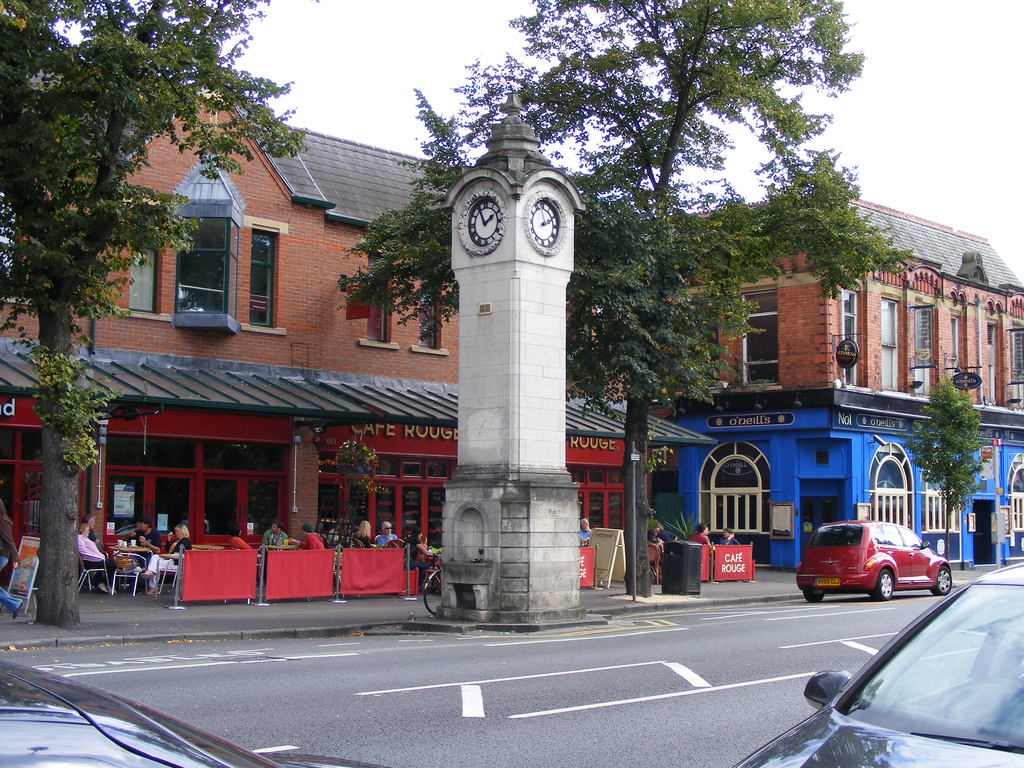
Didsbury clock tower, by Coradia1000, CC BY 2.0. Image source. Historical photograph taken before the 2009 renovation.

Altrincham Town Hall, by Rept0n1x, own work, CC BY-SA 3.0. Image source.
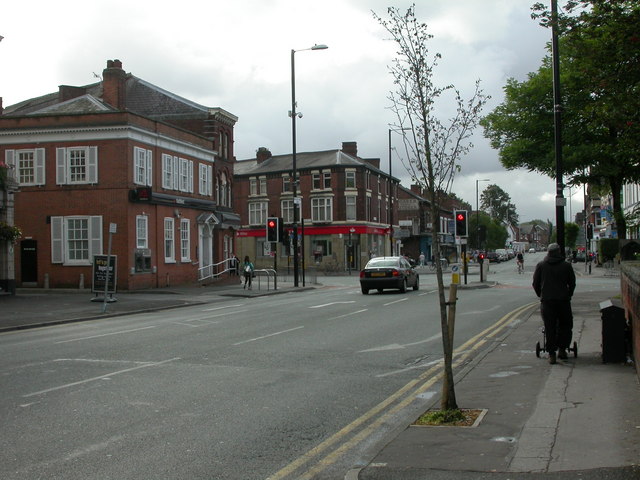
Chorlton-cum-Hardy, by Mike Faherty, CC BY-SA 2.0. Image source.

Chestergate, Stockport, by Dave Bevis, CC BY-SA 2.0. Image source.
Assessing a specific street and property
Assess homes in Moss Side and Cheetham Hill using the same property and street-level checks as elsewhere. Visit the location, consult current local policing information and discuss any property-specific concerns with your conveyancer. Read the Police.uk area-comparison guidance before interpreting crime figures. Broad labels about crime, reputation or future resale are not a reliable basis for deciding whether an individual home suits you.
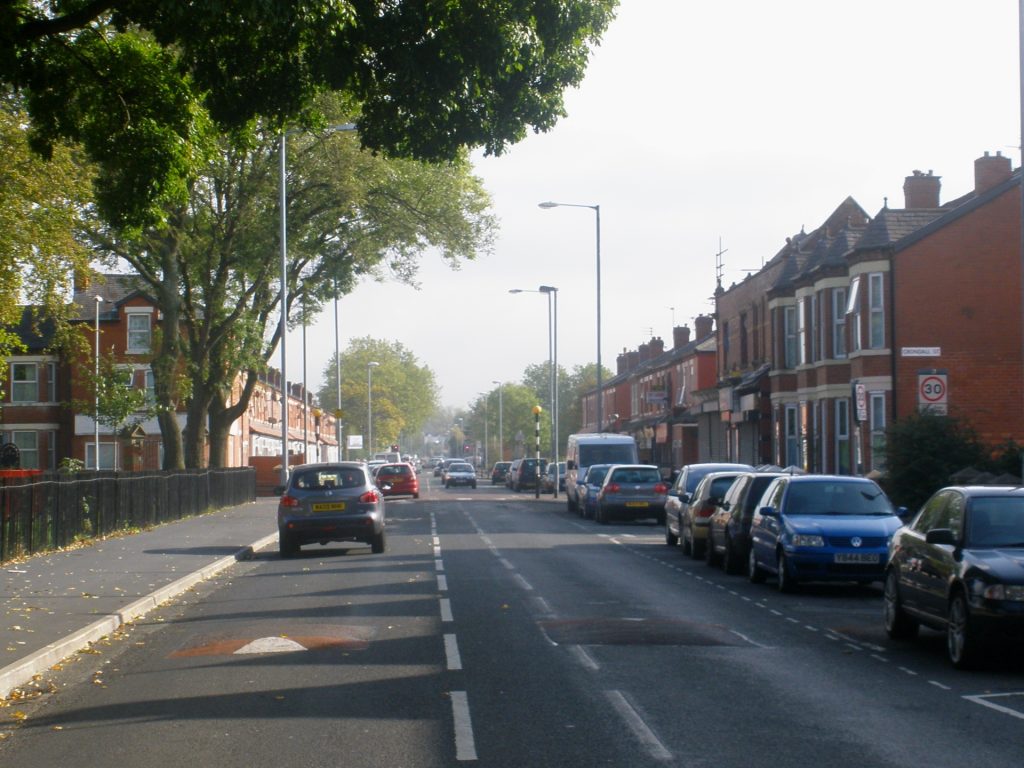
Great Western Street, Moss Side, October 2009, by Mosscat, own work, CC BY-SA 3.0. Image source.

Cheetham Hill Road, by Keith Williamson, CC BY-SA 2.0. Image source.
Apply these checks throughout Greater Manchester. Use TfGM tram network information and the relevant operator timetables to plan the journey from the actual address, including the walk to a stop and any changes. Test it at the times you expect to travel; a nearby station alone does not establish your door-to-door commute.
A mortgage broker in Manchester
If you are planning to buy a home, a mortgage broker in Manchester can help you review your income, deposit and commitments, explain mortgage options and prepare an application. Ask which lenders and products the broker can consider, what fees apply and how they are paid. Any recommendation depends on your circumstances and the options available at the time; the lender makes the lending decision.
Conveyancer in Manchester
Obtain current, itemised quotes from regulated solicitors or licensed conveyancers and confirm whether the firm can act for your chosen mortgage lender. Ask for a breakdown of the legal fee, VAT, searches and other disbursements, plus charges for any additional work. Confirm when payments are due and what you would owe if the purchase falls through. Confirm the firm’s current regulatory status before instructing it.
Compare the scope of the work and communication arrangements as well as the quoted fee. Ask who will handle your purchase and how you will receive updates; neither a local address nor a higher price guarantees faster completion. Budget separately for any applicable Stamp Duty Land Tax, and use the current official guidance to check your circumstances rather than relying on an old example quote.
What is the process of buying a house in Manchester like?
The stages below outline a typical purchase in England. For more detail, read our 7 steps to buying property in the UK. Your mortgage adviser and conveyancer can explain which steps apply to your circumstances.
Set your budget and check the property
Before making an offer, use the GOV.UK home-buying guide to prepare a budget and questions for your adviser, surveyor and conveyancer:
- Deposit and borrowing: establish the funds you can contribute and a manageable monthly payment. Keep money available for purchase costs and unexpected repairs.
- Fees and moving costs: budget for mortgage fees, legal fees, searches, a survey, insurance and the move. Ask for itemised quotes.
- Tax: check any applicable Stamp Duty Land Tax using the official guidance linked above; eligibility and the purchase circumstances matter.
- Condition and tenure: consider a survey and ask whether the home is freehold or leasehold. For a leasehold purchase, ask about the remaining lease, service charges, ground rent and planned major works.
- Searches and flood risk: ask your conveyancer about title checks, local land charges and other appropriate searches. Use the GOV.UK long-term flood-risk service for area information; it does not predict whether an individual home will flood.
Discuss your mortgage options
A mortgage adviser can review your income, deposit, commitments and credit history, explain possible options and identify the documents a lender may request. Use the conversation to discuss your budget and questions about the application. An initial assessment does not commit a lender to offering a mortgage.
Collecting the required documents and searching for property
With an initial budget in mind, start viewing homes in Manchester and the surrounding areas. At the same time, gather the documents requested for your circumstances, such as payslips or Self Assessment records, proof of identity and evidence of the source of your deposit. An initial borrowing estimate helps guide your search, but the lender must still assess your full application and the property.
Decision in Principle
A Decision in Principle, also called an Agreement in Principle, indicates what a lender might be willing to lend based on an initial assessment. It can help guide your property search, but it is not a mortgage offer or a guarantee of approval. A full application and the lender’s assessment of the property are still required.
Mortgage application and conveyancing
After your offer is accepted, submit the full mortgage application and instruct a professional to handle conveyancing. Approval still depends on the lender’s checks, even if your circumstances have not changed since the Decision in Principle. Legal enquiries, the property assessment and any chain can affect progress, so ask your broker and conveyancer for updates rather than assuming the keys will be ready within a few weeks.
Exchange of contracts and completion
Before exchange, ask your conveyancer to confirm that the legal work and funding arrangements are ready. Exchange of contracts makes the purchase legally binding. Completion is the stage when the purchase money is transferred and you can take possession; agree the arrangements and date with your conveyancer.
Keep your mortgage adviser informed if your finances or purchase plans change. Ask your conveyancer to explain outstanding legal enquiries and what must be resolved before you can agree to exchange contracts.
Summary
Choose a home that fits your budget and daily life, obtain current quotes and allow time for the mortgage and legal work. To discuss your circumstances, contact an Extend Finance mortgage adviser. Have your deposit, income and likely purchase budget ready so the conversation can focus on your next steps.
FAQ
Frequently asked questions
Is Manchester a good place to buy property?
Manchester may suit you if a particular home fits your budget and daily needs. Compare the full cost of buying and maintaining it, test your commute and investigate the property and street. A city-wide average or a prediction of rising prices does not establish whether a specific purchase is right for you.
What is the best part of Greater Manchester to buy a house in?
There is no single best area for every buyer. Compare homes across Greater Manchester against your budget, travel needs and any school requirements. Visit individual streets and check current local information rather than relying on neighbourhood rankings or assumptions about safety.
How can a mortgage broker help with a Manchester purchase?
A broker can review your income, deposit and commitments, explain mortgage options and help prepare your application. Ask about the lenders and products they can consider, their fees and how they are paid. A broker cannot guarantee approval; the lender decides after assessing the application and property.
How should I choose a conveyancer in Manchester?
Choose a regulated solicitor or licensed conveyancer and confirm that they can act for your chosen lender. Obtain a current, itemised quote covering the work included, possible extra charges and payment terms. Ask who will handle the purchase and how you will receive updates rather than relying on an old price comparison.
What is the process of buying a house in Manchester like?
Start with a budget, gather your documents and consider a Decision in Principle, which is not a mortgage guarantee. After an offer is accepted, the full mortgage application and conveyancing must progress before exchange of contracts makes the purchase legally binding. Completion follows the agreed arrangements for transferring the purchase money and taking possession; the timetable depends on the transaction.