TL;DR
In short
- Lenders use their own definitions of self-employment: for company directors, some lenders treat a director as self-employed from a 20% shareholding and others from 25%.
- Most lenders ask for two to three years of accounts or SA302 tax calculations, although some accept one year of figures.
- How much you can borrow depends on each lender’s affordability assessment of your income and outgoings, not on a fixed multiple.
- Some lenders offer mortgages of up to 95% of the property’s value to self-employed applicants, subject to their criteria (including trading history) and an affordability assessment.
- Overdue tax, penalties and interest, or a Time to Pay arrangement, may be taken into account by lenders and can make approval harder.
Self-employment is very popular in the UK, with about 4.5 million (ONS, April-June 2026) people working for themselves. While self-employment usually means more freedom to plan your work, there are also downsides to consider. One of these can be more difficult access to mortgages and a potentially lower borrowing capacity. So let’s look at what the mortgage application process is like for self-employed people and how to prepare for it.
When is a mortgage applicant treated as self-employed?
Defining self-employment is not at all easy. According to GOV.UK guidance, you are probably self-employed if, for example, you run your own business and take responsibility for its success, decide how, where and when you work, and may have several customers at the same time. Self-employed people report their income to HMRC through Self Assessment tax returns. On the other hand, each lender sets its own criteria. Lenders define self-employment for company directors differently. For example, some lenders treat a director as self-employed from a 20% shareholding and others from 25%, and they also differ in how they assess salary, dividends and company profits.

In some cases, the differences in definitions can be very significant - one lender may treat you as an employee, while another will see you as self-employed. This can affect the terms you are offered and, as a result, the amount of your mortgage repayment.
Applying for a mortgage when self-employed: documents
Self-employed applicants need to document their income. Most lenders ask for two to three years of accounts or SA302 tax calculations (Source: Experian).
At the decision in principle stage, you may also be asked for documents that further support your income and future prospects, such as contracts with your customers.
Do all lenders offer mortgages to self-employed people?
The answer is a little more complicated than a simple yes or no. Experian advises not to assume you will be rejected simply because of your employment status. However, it is important to remember that each lender sets its own risk assessment criteria, and the process can be more or less stringent.
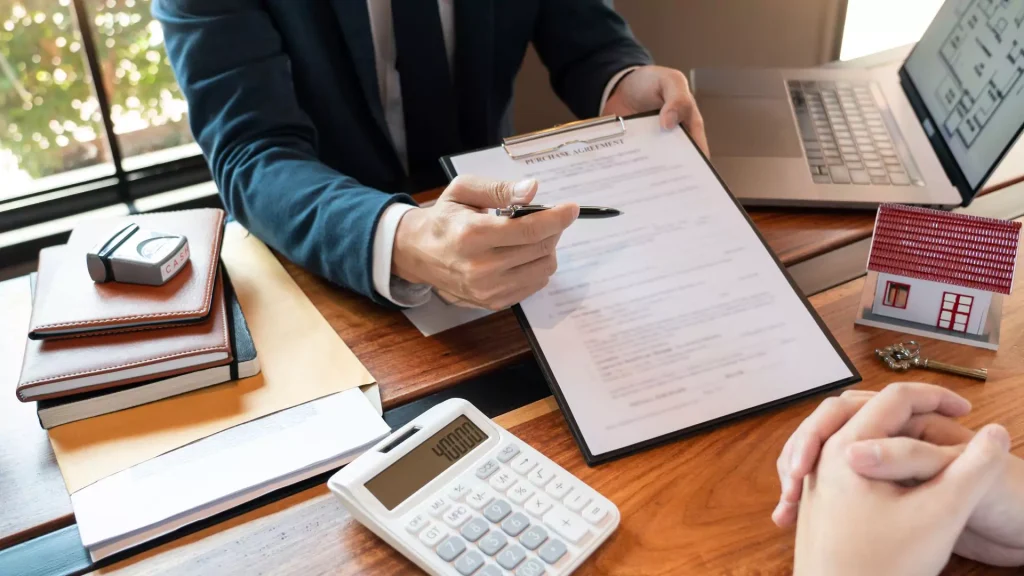
Lenders’ risk assessments also differ in other ways. Each lender may view a particular sector of the economy differently. As a general rule of thumb, self-employment involving the sale of seasonal goods or services will raise more questions than running a local grocery shop or accountancy practice. The more stable your business is, the easier it should be to get a decision in principle.
There are also specialist lenders whose criteria for self-employed applicants can differ from those of high-street banks, for example by accepting a shorter trading history, although this may limit the products available. A specialist lender may be worth considering if your situation is not straightforward or your business profile is unusual.
How is affordability calculated for self-employed applicants?
Self-employed income is often less stable than income from a full-time job - some business owners receive a single payment every few months, while others receive dozens of payments every day. Because self-employed income can vary, lenders assess it from SA302 tax calculations and tax year overviews or accounts rather than recent payslips. Some lenders ask for two years of figures, while others accept one year.
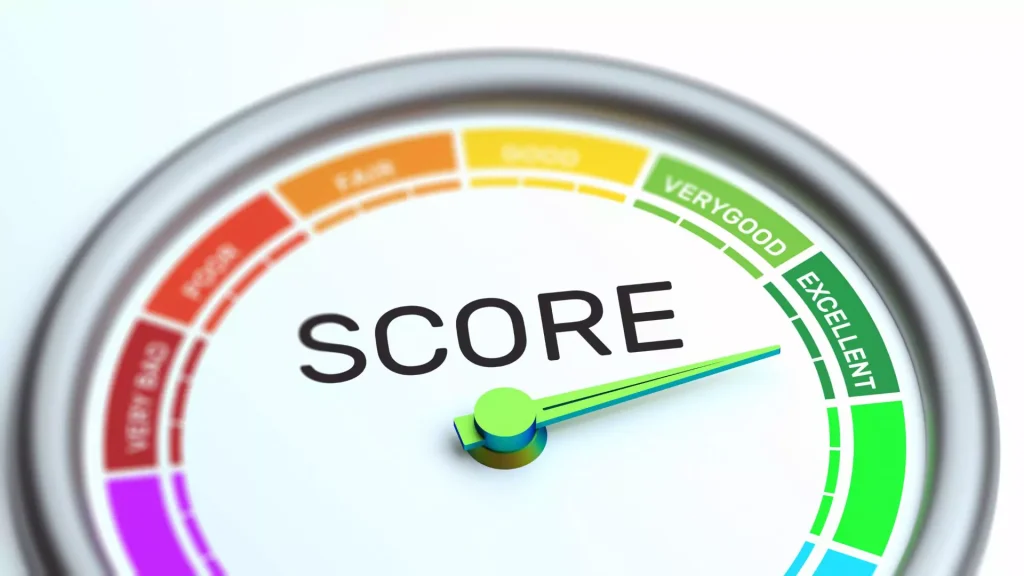
Sometimes you may also be asked for bank statements, so that the mortgage underwriter can better understand your actual financial position.
How much you can borrow depends on each lender’s affordability assessment of your income and outgoings, not on a fixed multiple. Bank of England rules restrict how much new mortgage lending can be at 4.5 times income or more. Your affordability also depends on your outgoings, in particular the repayments on any other mortgages, loans or leases.
If I am self-employed, do I need a larger deposit?
Not necessarily. Some lenders offer mortgages of up to 95% of the property’s value to self-employed applicants, subject to their criteria (including trading history) and an affordability assessment.
Can a self-employed person apply for a mortgage jointly with an employed partner?
Yes. You can apply jointly with an employed partner, and the lender assesses both applicants’ income, outgoings and credit history under its own criteria. One partner can also employ the other in their own business.
Is it possible to get a mortgage in the UK if you have debts with HMRC?
It depends. Under the Self Assessment deadlines, a paper tax return must be sent by 31 October, while the deadline for online returns and for paying the tax you owe is 31 January. If you make payments on account, the second payment is due by 31 July. Your documents may therefore show an outstanding tax liability during your mortgage application, which is not in itself a breach of the rules.

However, lenders differ in how they treat tax owed to HMRC - some may take it into account in their affordability assessment alongside other commitments, while others do not treat a tax bill as a commitment.
The situation is more difficult if the tax deadline has already passed. Overdue tax, penalties and interest, or a Time to Pay arrangement with HMRC, may be taken into account by lenders and can make approval harder.
Does being self-employed stop you from using government home-buying schemes?
The main home-buying schemes listed on GOV.UK, such as Shared Ownership, First Homes and the Lifetime ISA, and Right to Buy in England, do not set an employment-status condition, so being self-employed does not by itself rule you out. Other conditions still apply, for example a household income limit of £80,000 (£90,000 in London) for Shared Ownership and First Homes in England.
If you run your own business, you can still have first-time buyer status. In England, if you meet the tenancy conditions, you can also buy under the Right to Buy or Right to Acquire schemes.
How do I prepare to take out a mortgage if I am self-employed?
Finally, here are some important points to consider when applying for a mortgage.
Make smart insurance decisions
We are aware that any insurance increases your cost of living, and you also have to remember to pay your premiums regularly. On the other hand, self-employment usually means a less stable financial situation - over several consecutive months, your income may fall or rise sharply, and in the event of an accident, no employer will pay you any benefits. For this reason, it is worth seriously considering income protection.
Make some more savings
We know that, in the vast majority of cases, our clients do everything possible to buy their own home as soon as possible and stop wasting money on rental properties. While this is perfectly understandable, it is not always worth rushing. If your income clearly fluctuates from month to month, building an additional financial cushion that lets you comfortably cover a few mortgage repayments will give you much greater peace of mind.

If you would like to learn more about the consequences of late mortgage repayments, please read the extensive post we dedicated to this issue.
Realistically assess whether you can afford the house you want to buy
This point follows on from the previous two - practice shows that many business ventures fail after a while. Lower mortgage repayments mean lower fixed outgoings, so your family will be better prepared for any problems in your business.
Use specialists who have been dealing with mortgages for many years
As a business owner, you surely know that time is the only resource that cannot be recovered, bought or recreated. A trusted mortgage adviser can compare suitable deals for your circumstances and also save you time, which you will be able to devote to doing what you know best. Your first consultation with an Extend Finance advisor is always free of charge. During an initial consultation, we can discuss your circumstances, explain the mortgage process and identify what information is needed to assess your options.
FAQ
Frequently asked questions
When is a mortgage applicant treated as self-employed?
GOV.UK says you are probably self-employed if, for example, you run your own business, decide how, where and when you work, and may have several customers at the same time. Lenders also apply their own definitions: for company directors, some lenders treat a director as self-employed from a 20% shareholding and others from 25%.
What documents do self-employed mortgage applicants need?
Most lenders ask for two to three years of accounts or SA302 tax calculations. You may also be asked for tax year overviews, bank statements or documents that support your income and future prospects, such as contracts with your customers.
Do all lenders offer mortgages to self-employed people?
Experian advises not to assume you will be rejected simply because of your employment status, but each lender sets its own criteria. There are also specialist lenders whose criteria for self-employed applicants can differ from those of high-street banks, for example by accepting a shorter trading history, although this may limit the products available.
How is affordability calculated for self-employed applicants?
Because self-employed income can vary, lenders assess it from SA302 tax calculations and tax year overviews or accounts rather than recent payslips. How much you can borrow depends on each lender’s affordability assessment of your income and outgoings, not on a fixed multiple.
If I am self-employed, do I need a larger deposit?
Not necessarily. Some lenders offer mortgages of up to 95% of the property’s value to self-employed applicants, subject to their criteria (including trading history) and an affordability assessment.