TL;DR
In short
- In the simplest terms, Stamp Duty Land Tax is a stamp duty tax it is levied, among other things, on purchasers of real estate, but also on investors who buy certain financial instruments.
- Stamp Duty Land Tax for people without property SDLT tax rates for individuals until April 2025 are as follows: Part of the value of the property Tax amount Up to £250,000 0% £250,001 to £925,000 5% £925,001 to £1,500,000 10% More than £…
- Let us also mention those who are not UK residents this group of buyers is required to pay an additional 2% tax.
- Stamp Duty Land Tax for people without their own property The basic Stamp Duty Land Tax rates will be as follows: Part of the value of the property Tax amount Up to £125,000 0% £125,001 to £250,000 2% £250,001 to £925,000 5% £925,001 to…
- The thresholds for First Time Buyer relief have also changed significantly.
If you are buying property in England or Northern Ireland, you will most likely be liable to pay Stamp Duty Land Tax, or transaction tax. This levy is a major expense that every prospective property owner must consider when buying a property - as we are talking about up to several thousand pounds that your solicitor will have to collect from you at the contract of sale stage. As if that wasn’t enough, we’ve recently received particularly unpleasant news - Stamp Duty Land Tax is about to increase. By how much exactly? Who will be most affected by these changes? Let’s find out!
What is Stamp Duty Land Tax?
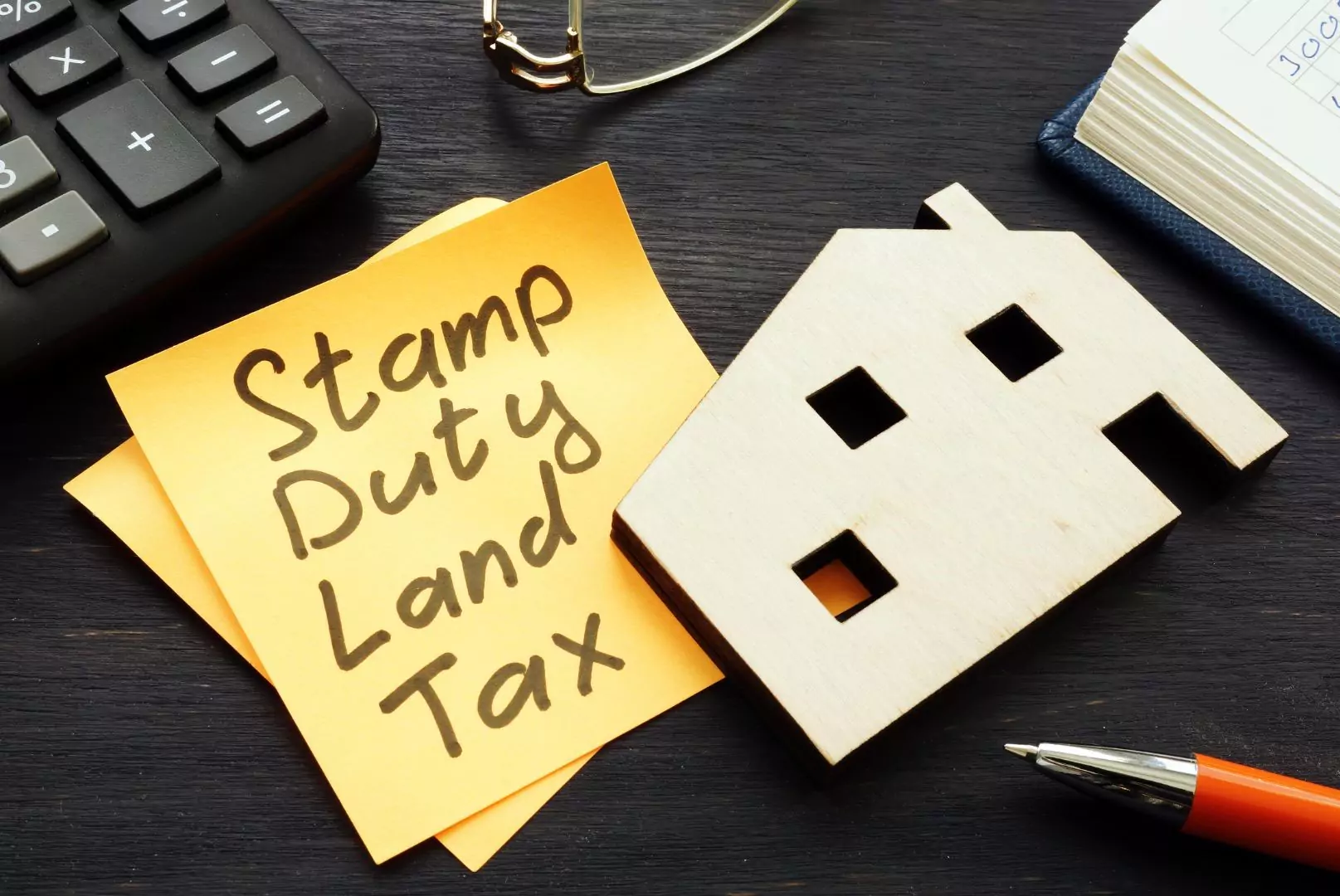
In the simplest terms, Stamp Duty Land Tax is a stamp duty tax - it is levied, among other things, on purchasers of real estate, but also on investors who buy certain financial instruments. Stamp Duty Land Tax is always imposed and factors such as the following do not matter:
-
The nature of the property being purchased - both commercial and residential premises are taxable. It is also irrelevant whether the subject of the transaction is a house or a flat;
-
The source of the funds - whether the funds for the purchase came from a mortgage or your savings account, tax will be charged;
-
The length of time the property has been in the hands of the previous owner - The length of time the property belonged to someone else is irrelevant.
What affects the tax rate?
First and foremost, the value of the property. As a general rule, the more expensive the house you buy, the higher the amount of Stamp Duty Land Tax due will be. You will find a list of rates later in this article, but the general rule of thumb is that more expensive buildings are disproportionately more taxed than cheap ones.
The amount of Stamp Duty Land Tax also depends on the buyer’s housing situation - the regulations distinguish between categories of buyers such as:
-
Persons with First Time Buyer status;
-
People buying a property for investment purposes;
-
People moving house;
-
Persons without UK resident status;
-
Companies and legal entities;
It is worth bearing in mind that there are also other costs of purchasing a home. Stamp Duty Land Tax is, of course, the largest expense, but it is worth factoring in any commission, conveyancing or building expertise costs.
What has Stamp Duty Land Tax looked like so far?
Stamp Duty Land Tax for people without property
SDLT tax rates for individuals until April 2025 are as follows:
Part of the value of the property Tax amount
Up to £250,000 0%
£250,001 to £925,000 5%
£925,001 to £1,500,000 10%
More than £1,500,000 12%
Stamp Duty Land Tax for those who own property
In a situation where a person already owned another residential property, the SDLT was higher:
Part of the value of the property Tax amount
Up to £250,000 5%
£250,001 to £925,000 10%
£925,001 to £1,500,000 15%
More than £1,500,001 17%
The Stamp Duty Land Tax rebates for people with multiple properties are obviously intended to increase the availability of housing for people setting up their own households. However, let’s point out that** if you sell your first property within 3 years of buying your second, you will be able to claim back the excess tax.** In that case, HMRC will give you back 5%, i.e. the difference between the tax for those buying their first property and that charged for those buying a subsequent home.

Stamp Duty Land Tax for those with First Time Buyer status
Let us also mention those who are not UK residents - this group of buyers is required to pay an additional 2% tax. Those with First Time Buyer status, on the other hand, were highly privileged, as shown in the table below:
** Part of the value of the property** ** Tax amount**
Up to £425,000 0%
£425,001 to £625,000 5%
If you are buying a property more expensive than £625,000, the tax relief does not apply.
New Stamp Duty Land Tax rates from 1 April 2025
Stamp Duty Land Tax for people without their own property
The basic Stamp Duty Land Tax rates will be as follows:
** Part of the value of the property** ** Tax amount**
Up to £125,000 0%
£125,001 to £250,000 2%
£250,001 to £925,000 5%
£925,001 to £1,500,000 10%
More than £1,500,001 12%
As you can easily see, the fundamental change is a reduction in the amount at which the tax starts to accrue. Current property prices in the UK are so high that almost every buyer will be required to pay Stamp Duty. However, the new rules do not affect those choosing to buy expensive houses or flats.
Stamp Duty Land Tax for those with their own property
The change in legislation has not affected the uplifts - those choosing to buy a second property will continue to face a 5% increase in tax, as this table illustrates:
** Part of the value of the property** ** Tax amount**
Up to £125,000 5%
£125,001 to £250,000 7%
£250,001 to £925,000 10%
£925,001 to £1,500,000 15%
More than £1,500,001 17%
Stamp Duty Land Tax for those with First Time Buyer status
The thresholds for First Time Buyer relief have also changed significantly. The tax-free amount has changed from £425,000 to £300,000 and the 5% rate will end at £500,000 rather than £625,000 as before. This is a very big jump compared to the previous thresholds.
** Part of the value of the property** ** Tax amount**
Up to £300,000 0%
£300,001 to £500,000 5%
It is worth noting that whether a transaction will be subject to the new Stamp Duty Land Tax rates depends on its completion date. If this falls on or after the effective date of the new tax thresholds, which is 1 April, the transaction will be subject to the new rates. For example,** if the purchase agreement was signed on 5 February and is finalised on 5 April, the buyer must pay tax under the new rules.**

Examples of tax calculation according to basic thresholds
The calculation of Stamp Duty Land Tax for an individual without First Time Buyer status on the purchase of a £200,000 property is as follows:
The first part of the tax-free amount is £125,000. On the remaining £75,000, the tax is 2%, or £1,500. This is the full amount of tax to be paid in this case.
For properties with a value of £300,000, the case is slightly different. The part of the value between £125,000 and £250,000, generates a total of £2,500 in tax. To this amount must be added the remainder, or £50,000, which falls within the 5% tax threshold and generates a further £2,500. The total tax to be paid in this case is £5,000. This is twice as much as it would have been in the current tax year.
Examples of tax calculation for people with First Time Buyer status
If a person covered by the tax credit purchases a property worth £200,000, they will pay no SDLT at all. However, if it cost £400,000, he or she should pay tax on £100,000, at a rate of 5%. Then its total amount would be £5,000.
What about if you buy a property worth £600,000? This amount exceeds the relief limit, making it necessary to add another £5,000, or 5%, on the £100,000 figure that falls within the third threshold band, to the £10,000 tax calculated on the basis of the relief thresholds under the basic thresholds. This compares with only £10,000 of tax currently at this value.
You can also make all calculations using our calculator:
[elementor-template id=“42497”]
Other changes to Stamp Duty Land Tax in 2025
It is worth mentioning that the SDLT tax underwent several modifications back in October last year. The changes concerned the amount of tax mainly for investors and companies. As of November 2024, the following provisions took effect:
-
For individuals and companies owning a property and buying another, the tax rate increase has changed from 3% to 5%. This means that those in this situation will have 5% added to their SDLT tax rates instead of the 3% previously in place. For example, if a property costs £250,000, they will pay 7% tax on £125,000 rather than 2%;
-
The rate of tax for companies buying residential properties worth more than £500,000 has increased from 15% to 17% of the value of the property. For lots between £250,001 and £500,000, the rate has increased from 3% to 5%.
How do the changes affect those investing in property?
As we mentioned earlier, legal entities and companies investing in real estate, for example using a buy-to-let mortgage, must pay rates defined as rates for additional properties.
This means that businesses calculate their tax based on the classic tax thresholds, adding 5% to each. In practice, when investing in a property with an example value of £400,000, the tax-free amount enjoyed by private buyers does not apply. In many cases, the amount of tax due is up to three times higher than that paid by those buying a house or flat for private purposes.
Recall the tax thresholds for investors in the form of a clear table:
** Part of the value of the property** ** Tax amount**
Up to £125,000 5%
£125,001 to £250,000 7%
£250,001 to £925,000 10%
£925,001 to £1,500,000 15%
More than £1,500,000 17%

Why has the government made changes to Stamp Duty Land Tax?
Raising the amount of SDLT again has been planned for a long time - it was announced as far back as 2022, when the tax was cut to improve the dynamics of the property market. The regulatory changes helped and mobilised UK residents to buy, but as Stamp Duty Land Tax is an important source of funding for the budget, this situation could not last too long. As a result, we are simply back to the tax rates of three years ago.
The second, and equally important, reason is the desire to increase the availability of housing - the government has for many years had an extensive relief policy to support those on limited incomes, through the allocation of tax reliefs and subsidies. In addition, investment trusts and entrepreneurs buying multiple dwellings are required to pay a huge tax, often running into tens of thousands of pounds. It is not for us to judge the fairness and efficiency of these measures, but it is hard to deny that the legislation favours those who have not yet owned their own property.
Summary
This year’s changes to Stamp Duty Land Tax will make property buyers pay more in large numbers. The Government’s scheme is designed to encourage first-time buyers and families to buy property. In practice, it remains to be seen whether such assumptions will work, but it is worth remembering that the tax increase does not make renting any more attractive than buying a property.
If you are planning to buy a house in the UK, we warmly welcome you to join us. Your first meeting with an advisor will last about 40 minutes and does not commit you to anything. We will tell you at the very beginning how much you can borrow, what credit terms you can count on and how the process of buying property in the UK works. Don’t wait, take care of your finances today!
FAQ
Frequently asked questions
What is Stamp Duty Land Tax?
In the simplest terms, Stamp Duty Land Tax is a stamp duty tax it is levied, among other things, on purchasers of real estate, but also on investors who buy certain financial instruments.
What has Stamp Duty Land Tax looked like so far?
Stamp Duty Land Tax for people without property SDLT tax rates for individuals until April 2025 are as follows: Part of the value of the property Tax amount Up to £250,000 0% £250,001 to £925,000 5% £925,001 to £1,500,000 10% More than £1,500,000 12% Stamp Duty Land Tax for those who own property In a situation where a person already o…
Stamp Duty Land Tax for those with First Time Buyer status?
Let us also mention those who are not UK residents this group of buyers is required to pay an additional 2% tax.
New Stamp Duty Land Tax rates from 1 April 2025?
Stamp Duty Land Tax for people without their own property The basic Stamp Duty Land Tax rates will be as follows: Part of the value of the property Tax amount Up to £125,000 0% £125,001 to £250,000 2% £250,001 to £925,000 5% £925,001 to £1,500,000 10% More than £1,500,001 12% As you can easily see, the fundamental change is a reduction…
Stamp Duty Land Tax for those with First Time Buyer status?
The thresholds for First Time Buyer relief have also changed significantly.