TL;DR
In short
- Debt consolidation means replacing several debts with a single loan, ideally on better terms.
- The main options are a further advance, a second charge mortgage, an unsecured consolidation loan and a remortgage – each has pros and cons.
- Lower monthly payments can still mean paying more in total if the term is longer, and securing unsecured debts against your home puts your home at risk.
- On larger balances, small rate differences matter: each percentage point on £10,000 is roughly £100 of interest a year.
- If you are struggling to keep up, get free, confidential debt advice before borrowing more.
According to the FCA’s Financial Lives 2024 survey, 84% of UK adults held at least one credit or loan product in the 12 months to May 2024. From mobile phone instalments and car leases to mortgages, financial commitments have become a permanent feature of our household budgets. While there is nothing wrong with responsible borrowing, some people may find at some point in their lives that the total amount of their repayments is too high. If that happens, there are several options worth comparing.

What is debt consolidation?
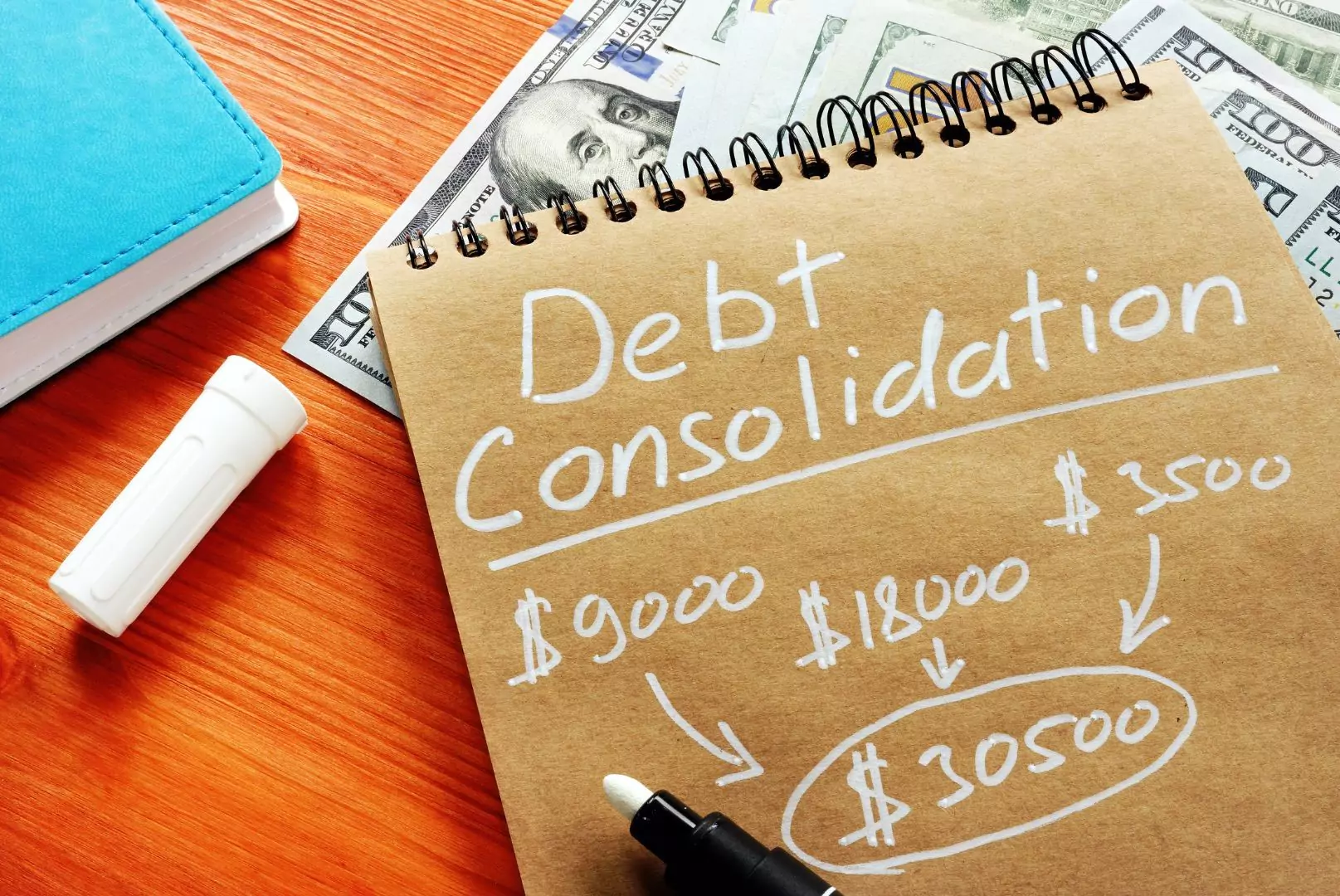
Debt consolidation is a relatively simple process that involves taking out a single, large loan with the aim of getting better terms for repaying all liabilities. It can lower your interest rate or spread repayments over a longer period, which may reduce your monthly payments. However, a longer term can mean you pay more interest in total, and fees such as arrangement, valuation and legal fees or early repayment charges may apply (fees added to a loan are also charged interest). If you move unsecured debts onto a mortgage or other secured loan, your home may be repossessed if you do not keep up repayments.
How can you deal with debt?
There are several options, and each has its own advantages and disadvantages:
Further Advance Mortgage
A further advance is extra borrowing from your existing mortgage lender, secured on the same home. The interest rate may differ from that of your original mortgage, and your home remains security for the whole amount. It can be spread over a long term, but that may increase the total interest you pay.
A further advance may be worth comparing if:
-
Your current mortgage is so favourable that it is not worth remortgaging.
-
Your lender’s offer is more favourable than the terms you would receive on a second charge mortgage.
-
You have already repaid part of the capital on your property.
Compare the total cost of a further advance with the other options below before securing unsecured debts, such as credit cards, against your home.

Second Charge Mortgage
A second charge mortgage is a product where a person applies for a second mortgage secured on the same property. A second charge mortgage differs from a further advance mainly in who you borrow the money from – in this case, a different lender.
Further advances and second charge mortgages each have their own lending criteria, interest rates and fees, so compare current offers and the total cost of each.
Unsecured Debt Consolidation Loan
Unsecured loans are an alternative to borrowing against your home. They typically have shorter repayment terms and higher interest rates than secured borrowing, but they are not secured on your property. Consolidating this way means taking out one larger loan to repay several smaller ones, without changing your mortgage.
Missing repayments on any debt can harm your credit score. An unsecured loan is not secured on your home, so it does not carry the same direct risk of repossession as a mortgage or other secured loan. However, in England and Wales, an unsecured creditor that has a county court judgment against you can ask the court for a charging order, which secures the debt against your home, and in some cases can then ask for an order for sale – although the court does not have to grant one. Different rules apply in Scotland and Northern Ireland.

Remortgage
The fourth option is a remortgage. Although, as a rule, mortgage refinancing is done to obtain a lower interest rate, it also allows you to borrow additional money and spread the repayment over a longer period. By remortgaging, you may be able to borrow extra to repay other debts, potentially at a lower rate than your unsecured borrowing – although spreading them over a longer term can increase the total interest you pay.
What distinguishes a remortgage from a second charge or further advance mortgage is the number of loans – in this case, the consolidation is complete, as you combine all your personal loans and home mortgage into one large mortgage. This leaves you with a single monthly payment, but your unsecured debts become secured on your home, which may be repossessed if you do not keep up repayments.
What should you choose to make debt consolidation in the UK as effective as possible?
Remember that there is no single, universal method for dealing with debt. Consolidation can be done in several ways, and how well it works depends on your circumstances. However, a few typical situations and common approaches are set out below.
Many small loans, total debt up to £10,000
If you are repaying several small loans worth no more than £10,000, it is probably not worth considering a remortgage or other mortgage-related solutions. Consolidation can still help in some cases, but many people should simply focus on improving their financial discipline, negotiating with lenders and prioritising the repayment of small, short-term liabilities. Start by clearing small instalments of less than £50 a month that are easy to lose track of.
However, if you believe that debt consolidation is necessary in your case, look for unsecured debt consolidation loans with favourable interest rates.

Total debt from £10,000 to £50,000
For amounts exceeding £10,000, even small differences in interest rates translate into significant differences – each percentage point on £10,000 translates into £100 in interest per year. This means consolidating through a mortgage may be worth considering, but compare the total cost first – including any commission or adviser fees, lender arrangement, valuation and legal fees, any early repayment charges, and the extra interest if you repay over a longer term.
If you are still within your current mortgage deal period, early repayment charges (ERC) may make remortgaging expensive, so a further advance or second charge mortgage may be worth comparing. Weigh up the ERC against any savings from a new deal.
If your current mortgage deal has ended or is ending soon, it may be worth considering a remortgage. Depending on your current rate and circumstances, a new deal may reduce your monthly payment, although not necessarily the total amount you repay.
When your debts are larger than your home equity
The situation becomes more complicated if your debts are larger than the equity in your home (your property’s current value minus your outstanding mortgage and any other loans secured on it). In that case, a second charge mortgage or remortgage may not be enough to clear all your debts, and you could end up with a larger mortgage as well as remaining unsecured debts.
In this situation, using your home as security for debts becomes even riskier. With large instalments, it is easier to fall behind with repayments, which could lead to your home being repossessed. Contact your lenders early to discuss your options, and get free debt advice (see below) before securing more debt against your home.
I can no longer manage my debts – what should I do?
We are aware that irresponsible borrowing can lead to serious problems. The constant stress caused by a lack of money and fear of letters from lenders is harmful to your health and can even lead to depression.
Remember that if you are in debt, you may be able to propose an IVA – a formal agreement with your creditors that is set up by an insolvency practitioner. In England and Wales, approval of an IVA generally requires at least 75% by value of the creditors who vote to support it. An additional rule applies if more than half by value of creditors who are not associates of the debtor vote against it; an insolvency practitioner can explain the voting rules. It will affect your credit rating and is recorded on your credit file. It is also listed on the public Individual Insolvency Register until 3 months after it ends. IVAs are not available in Scotland, where a Protected Trust Deed is the closest equivalent. Other options in England and Wales include a Debt Management Plan (DMP), Breathing Space, a Debt Relief Order and bankruptcy – see GOV.UK’s guide to options for paying off your debts.
Before securing debts against your home, consider getting free, confidential debt advice. MoneyHelper’s debt advice locator can help you find an adviser, and organisations such as StepChange Debt Charity, National Debtline, Citizens Advice and Christians Against Poverty also offer debt help. Many councils also offer assistance, although the extent of this assistance depends on the current financial situation of the local authority.
Summary
If you know that your debts are placing too much strain on your household budget, it is worth taking action as soon as possible. Running away from your problems will not improve your financial situation.
Think carefully about securing other debts against your home. Your home or property may be repossessed if you do not keep up repayments on your mortgage or any other debts secured on it.
If you would like to compare further advance, second charge and remortgage offers, please contact us. We will assess your circumstances and explain the costs, risks and eligibility requirements of the mortgage options available to you. Consolidating debts does not remove the debt and may increase the total amount you repay. We are here to help you!
FAQ
Frequently asked questions
What is debt consolidation?
Replacing several debts with one new loan, usually to get a lower rate or a single, more manageable monthly payment. It can cost more overall if the repayment term is longer.
What are the main ways to consolidate debt in the UK?
A further advance from your current mortgage lender, a second charge mortgage from a different lender, an unsecured debt consolidation loan, or a remortgage. The right option depends on your debts, your mortgage deal and your circumstances.
Can consolidating debt cost more overall?
It can. Spreading debts over a longer term can increase the total interest, and fees such as arrangement, valuation and legal fees or early repayment charges may apply. If you secure unsecured debts on your home, it may be repossessed if you do not keep up repayments.
What is home equity?
Your property’s current value minus your outstanding mortgage and any other loans secured on it. If your debts are larger than your equity, secured borrowing may not be enough to clear them.
Where can I get free debt advice?
MoneyHelper’s debt advice locator, StepChange Debt Charity, National Debtline and Citizens Advice offer free, confidential debt advice.