TL;DR
In short
- Poorly fitted gas pipes or appliances can cause gas leaks, explosions, fires or even carbon monoxide poisoning.
- Gas Safe Register is the official register of gas businesses and engineers who are legally allowed to carry out gas work in Great Britain, Northern Ireland, the Isle of Man and Guernsey.
- As a tenant, allow access for the annual check, ask for a copy of the gas safety record, report problems to your landlord promptly and have appliances you own checked by a Gas Safe registered engineer.
- If you smell gas, turn off the gas at the emergency control valve if it is safe to do so (unless the meter is in a cellar), leave the property and call the National Gas Emergency Service on 0800 111 999 (free, 24 hours, Great Britain).
- A good landlord will show tenants how to turn off the gas and explain the basics of gas safety.
Post written by Dur-e-Sabih
If you rent your home, your landlord is usually responsible for having the gas appliances, flues and pipework they provide safety-checked every year. Appliances you own yourself are not covered. But have you ever checked the gas safety record yourself? Do you know what you should assess in a gas safety certificate? Or are you aware of what actions to take in case of a gas leak? This article covers the essentials.
The landlord duties described here apply under the Gas Safety (Installation and Use) Regulations 1998 in Great Britain (England, Scotland and Wales); Northern Ireland has its own gas safety regulations. For more detail, see the HSE guidance on gas safety for landlords.
Why Is Gas Safety Important?
Poorly fitted gas pipes or appliances can cause gas leaks, explosions, fires or even carbon monoxide poisoning. Carbon monoxide is colourless and has no smell, so you cannot tell if it is around you.
Gas leaks and carbon monoxide can result from appliances that are badly installed, poorly maintained or used in poorly ventilated rooms. Landlords are legally responsible for ensuring annual gas safety checks. You can also learn more about gas safety certificates online.
Top Tips From Gas Safe Register
Gas Safe Register is the official register of gas businesses and engineers who are legally allowed to carry out gas work in Great Britain, Northern Ireland, the Isle of Man and Guernsey. Here are its top tips for both landlords and tenants.
-
When employing a gas engineer, ensure that they are Gas Safe registered. You can also check their registration ID or visit the Gas Safe Register’s website. There is also an official number to contact in such cases of verification.
-
The landlord is responsible for getting all the safety checks done once a year. Gas appliances and flues provided by the landlord, such as boilers, cookers and gas fires, must be included in these checks. Appliances you own as a tenant are not covered by your landlord’s check.
-
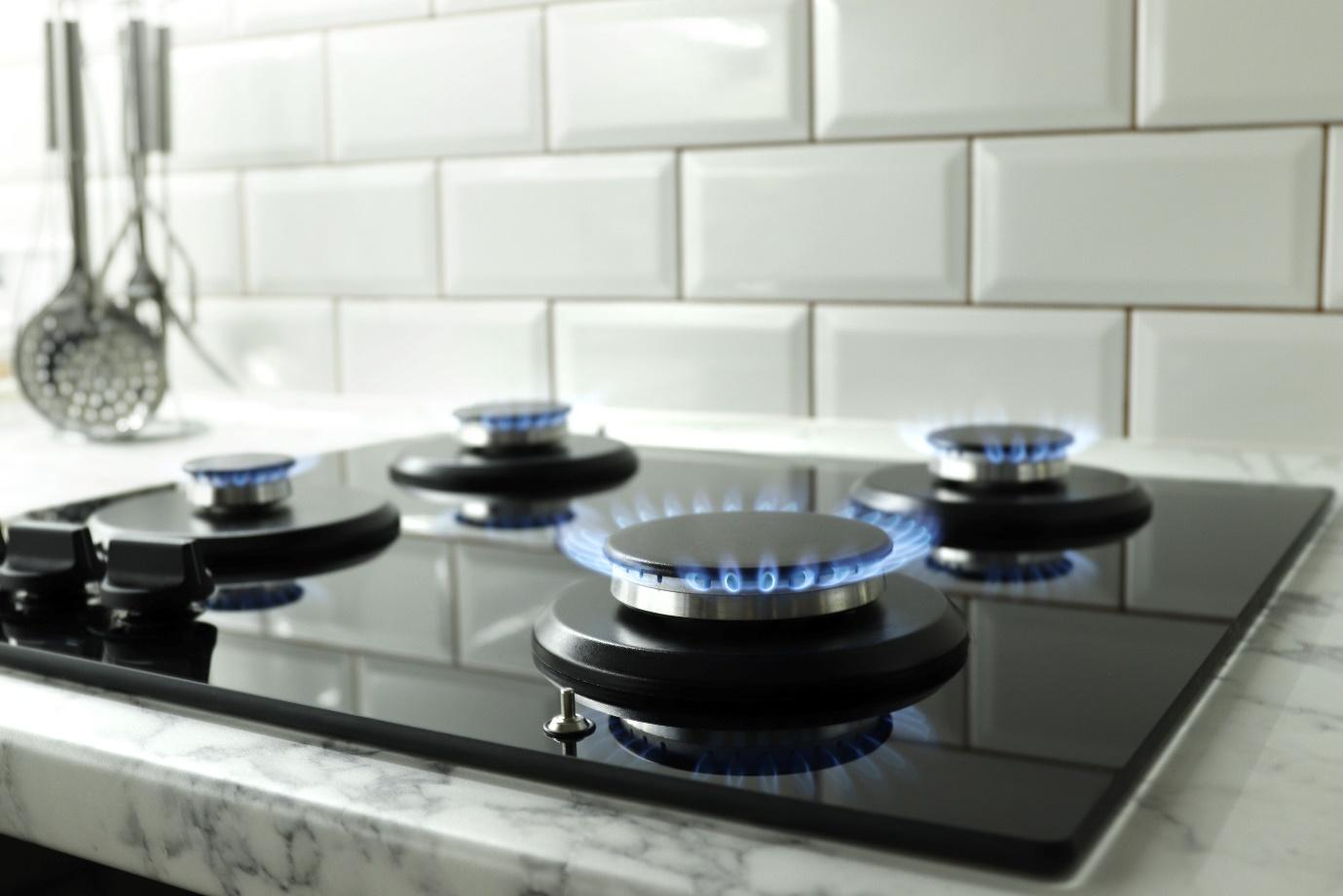
You must be aware of the warning signs in case your gas appliances are malfunctioning. Gas appliances that are working properly usually burn with a crisp blue flame (decorative fuel-effect fires are an exception). A lazy yellow flame usually means that there is something wrong with your appliance.
-
Carbon monoxide poisoning is lethal, and knowing the initial signs of carbon monoxide poisoning is essential. Symptoms can include headaches, dizziness, breathlessness, nausea and loss of consciousness, as well as tiredness and pains in the chest or stomach. If you notice these symptoms, stop using the appliance, get into fresh air and get medical advice straight away: call NHS 111, or call 999 if symptoms are severe. Do not drive yourself.
What Can You Do as a Tenant?
There are several practical things you can do to keep your home safe:
- Allow access for the annual gas safety check, and be available during the check if you can.
- Ask your landlord for a copy of the gas safety record.
- Check the engineer’s Gas Safe ID card.
- Report any problems with gas appliances to your landlord promptly.
- Have appliances you own checked by a Gas Safe registered engineer.
You can also remind your landlord when the annual check is due. Gas Safe Register also has a free reminder service. You choose the month your check is due, can add a short description of the appliance, and Gas Safe Register then sends you a free email or text reminder each year when the check is due.
How to Turn Off the Gas Supply in an Emergency
If you notice or suspect a gas leak, you should know how to turn off your gas supply at the meter. A good landlord will show tenants how to turn off the gas, so it is worth asking when you move in.
The emergency control valve is a handle on the gas pipe next to your gas meter. The meter may be in an outside meter box or indoors, for example under the stairs, in the kitchen or in the garage. If the lever is at a right angle to the pipe, it is off. When the lever is in line with the pipe, it is on.
If you smell gas:
- Do not smoke or use naked flames.
- Do not turn electrical switches on or off.
- Open doors and windows.
- Turn off the gas at the emergency control valve by the meter if it is safe to do so (unless the meter is in a cellar).
- If you smell gas or cannot turn it off, leave the property and call the National Gas Emergency Service on 0800 111 999 (free, 24 hours, Great Britain).
Conclusion
A good landlord will explain the basics of gas safety to their tenants. The landlord must also arrange an annual safety check and keep the gas safety records. As a tenant, you should allow access for the annual check, ask for a copy of the gas safety record, report problems to your landlord promptly and have appliances you own checked by a Gas Safe registered engineer. You should also be aware of any signs of gas leaks or carbon monoxide poisoning, and keep an eye on the gas appliances. If you notice anything out of the ordinary, report it to your landlord, or have an appliance you own checked by a Gas Safe registered engineer.
FAQ
Frequently asked questions
What are my landlord’s duties when it comes to gas safety?
Your landlord is responsible for arranging maintenance by a Gas Safe registered engineer, in accordance with the Gas Safety (Installation and Use) Regulations 1998. The maintenance must cover the gas pipework and the appliances and flues your landlord provides. Appliances you own are your responsibility, although your landlord is still responsible for the pipework that serves them.
The landlord is also responsible for employing a Gas Safe registered engineer to carry out the gas safety check every year. They must keep each gas safety record for at least two years (or until two further checks have been carried out). They must give existing tenants a copy of the record within 28 days of the check, and new tenants a copy before they move in.
Does the landlord have the right to access a property for safety checks?
Your tenancy agreement should allow your landlord access for maintenance and safety checks, including the annual gas safety check. Your landlord should arrange the visit with you in advance and must not use force to enter.
Under regulation 39 of the Gas Safety (Installation and Use) Regulations 1998, a landlord is not guilty of an offence if they can show they took all reasonable steps to comply. HSE advises landlords to leave the tenant a notice stating that an attempt was made to complete the gas safety check, with contact details, and to keep records of these attempts.
If my landlord is using an agent, who is responsible for the gas safety duties?
If your landlord uses a managing agent, their contract should clearly set out who is responsible for maintenance, safety checks and keeping records.
What do you do if your landlord does not provide you with the record of the gas safety check?
Ask your landlord for a copy and remind them that existing tenants should receive one within 28 days of the check. If they still refuse to give you a copy, you can make a complaint to HSE using its online form LGSR1.
Is it okay to keep an electronic copy of the gas safety certificate?
An e-copy of the gas safety certificate is also acceptable as long as your landlord can reproduce it in the form of a hard copy whenever required. The digital copy must be secured and clearly readable.