TL;DR
In short
- The final payment repays the debt; it does not make the bank transfer ownership to you. The lender holds security, not title to your home.
- Obtain repayment confirmation and ask how the registered charge will be discharged. HM Land Registry procedures described here apply to England and Wales.
- Keep your repayment records, confirm the register is updated and check that the account is recorded correctly with the credit reference agencies.
- Review buildings insurance against rebuilding cost and any remaining lease or other obligations; do not reduce cover simply because the mortgage is repaid.
- Your credit score may change after repayment. A future mortgage still depends on the lender’s affordability, credit and property checks.
Completing a mortgage is a big moment. This is because we are talking about a commitment that has concerned you for a very large part of your life - often for 20 or even 25 years. Once that moment has arrived, you will be freed from a large commitment and thus, very much closer to financial freedom - you will no longer have to pay either your landlord or your bank. In this article, however, we will not focus on what you can do with your spare cash. Instead, we will explain to you in detail what paperwork you need to take care of when the end of your mortgage is on the horizon.

Do I become the owner of the property by making the final mortgage payment?
No. Paying the final instalment does not make the lender transfer ownership to you. The property is owned by the person or people who hold its legal title; a mortgage gives the lender security over it, not ownership. This also applies to a joint mortgage. For registered property in England and Wales, check the proprietorship and charges entries at HM Land Registry.
Once the mortgage has been repaid in full, obtain confirmation from the lender. A registered charge may still appear on the title until the discharge has been registered; ask the lender or your conveyancer how this will be handled.
I have paid off the final mortgage payment - now what?
For property registered in England and Wales, ask your lender how it will discharge the registered mortgage after repayment. Many lenders send an electronic discharge or e-DS1 directly to HM Land Registry. If a paper application is needed, follow HMLR’s current guidance: a DS2 application normally needs the DS1 completed by the lender. Confirm that the register has been updated; processing time depends on the application.
See HMLR’s discharge guidance and form DS2 guidance. Scotland and Northern Ireland have separate registration systems; ask your conveyancer about the procedure for your property.

How do I make sure the mortgage is deemed to have been repaid in all places?
First and foremost, keep copies of all documents relating to your mortgage and close your mortgage account with your bank. We strongly recommend that you keep everything related to your repayment for at least 12 months after your mortgage is completed.
To make sure that the mortgage has been cancelled, you can obtain the Title register from the government website. As an official extract from official records, such a document is a clear confirmation of the legal status of the property. However, it is information relating to the ownership status of your home, but not necessarily to you.
From a borrower’s perspective, it is important, the completion of your mortgage payment has also been recorded in the credit reference agencies’ systems. CRAs, or credit reference agencies, are entities you may have heard of when checking your credit score. In practice, they are primarily concerned with collecting data from a variety of entities, such as banks, lessors, energy companies and mobile operators, and based on your past actions, they assess whether you are a creditworthy borrower. If one of these agencies, for example Experian or Equifax, does not receive the relevant information from the bank, the completion of your mortgage will not be recorded in the system. As a result, your credit report will be generated in error, thus lowering your credibility in the eyes of other lenders.
If you are planning to take out another debt in the near future, such as a lease, mortgage or buy-to-let investment mortgage, it is essential that you ensure that each of the 3 main rating agencies (Equifax, Experian, TransUnion) has correctly recorded the completion of your mortgage repayments. The effect of a late or missed payment depends on its type, timing, size and the lender’s criteria; do not assume that every small delay has the same effect.
 From here, we would like to recommend Checkmyfile to you - it is, in our opinion, the best place to check your credit score.
What about insurance?
With a mortgage, banks virtually always require property insurance. This is no surprise to them - if the house were to suffer a fire or other damage, the lender would be at risk of incurring very serious losses.
Repaying your mortgage removes the lender’s insurance requirement, but obligations under a lease or other arrangements may remain. Review the policy against the property’s rebuilding cost and your circumstances; do not reduce the sum insured simply because the mortgage has been repaid. An insurance review with Extend Finance is free of charge.
Keep appropriate buildings cover and review its terms, exclusions and rebuilding sum insured as your circumstances change.
How does making a final mortgage payment affect credit score and creditworthiness?
Repayment affects the debt balance and your credit profile in different ways.
Repaying a mortgage reduces an ongoing commitment and may improve affordability, including the relationship between debt payments and income. Any future mortgage still depends on the lender’s affordability, credit and property checks.
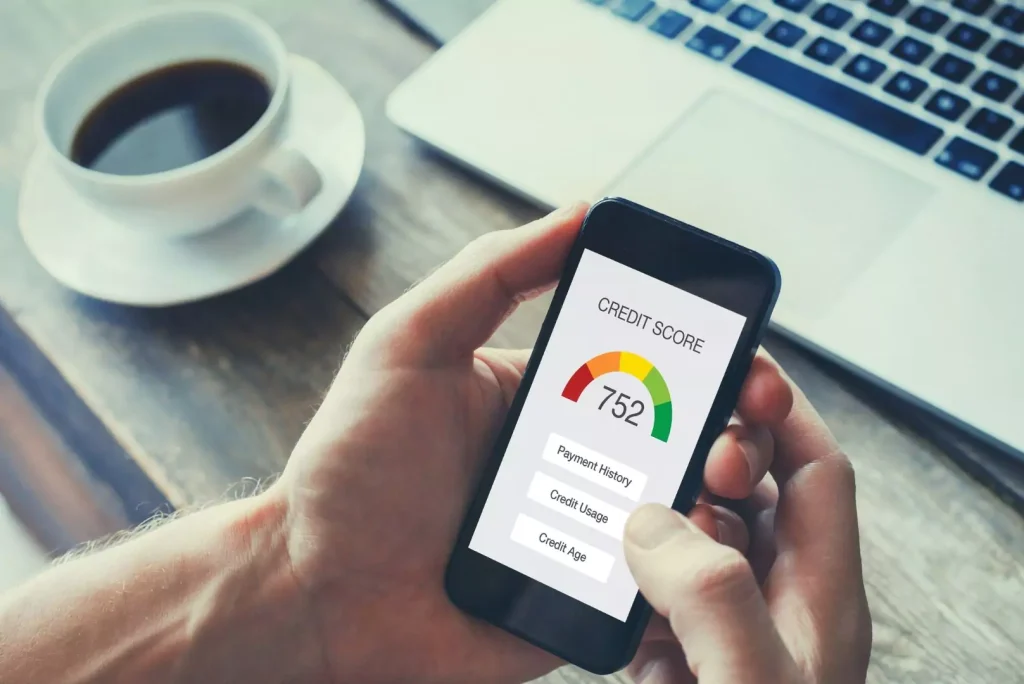
Repaying a mortgage can affect your consumer credit score, sometimes temporarily, but it does not mean you can no longer build a credit history. Check that the account is recorded correctly. Any future mortgage still depends on the lender’s affordability, credit and property checks.
When will I be able to sell a paid-off house?
There is no general requirement to wait for a new Title Register extract before marketing the property. Tell your conveyancer that the mortgage has been repaid and ask how any outstanding discharge will be dealt with during the sale.
Summary
If you have paid off your final mortgage payment, this means that you have freed yourself from a huge commitment to the bank. Congratulations!
Owning an unencumbered property is an unattainable privilege for many people. The money you’ve had to spend on paying off instalments up until now can now be used for whatever you want - with a financial surplus of a few hundred or even more than a thousand pounds a month, you have the opportunity to build up your retirement savings quickly, you can also treat yourself to a great holiday or fulfil another dream that isn’t necessarily cheap. We’re keeping our fingers crossed for the realisation of all these plans!
FAQ
Frequently asked questions
Do I become the owner of the property by making the final mortgage payment?
No. You do not become the owner only when the last instalment is paid. The legal owner or owners hold title to the home, while the lender has security over it. A joint mortgage does not make the bank an owner.
I have paid off the final mortgage payment - now what?
Obtain confirmation that the mortgage is repaid and ask the lender how it will discharge the registered charge. In England and Wales, many lenders send an electronic discharge or e-DS1 to HM Land Registry; a paper DS2 application normally needs a DS1 completed by the lender. Confirm that the register has been updated.
How do I make sure the mortgage is deemed to have been repaid in all places?
Keep repayment confirmation and relevant mortgage records. In England and Wales, check the title register for the discharge and check that the mortgage account is recorded correctly with Experian, Equifax and TransUnion. Ask the lender to investigate any discrepancy.
What about insurance?
Repaying your mortgage removes the lender’s insurance requirement, but obligations under a lease or other arrangements may remain. Review buildings cover against rebuilding cost and your circumstances; do not reduce the sum insured simply because the mortgage is repaid.
How does making a final mortgage payment affect credit score and creditworthiness?
Repaying a mortgage can affect your consumer credit score, sometimes temporarily, but it does not stop you building a credit history. Check that the account is recorded correctly. Any future mortgage requires the lender’s affordability, credit and property checks.