TL;DR
In short
- The value of property depends on the location, age, condition, standard and area of the building, and it is not the same as the asking price.
- Low-cost preparation, such as decluttering, deep cleaning and small repairs, can make a property look better cared for and more appealing to buyers.
- Good photos can make your listing more appealing and help attract more viewings.
- Larger projects such as an extension or loft conversion need careful budgeting, and there is no guarantee that a buyer will pay more than the work cost you. Gather the planning permission, building regulations approvals and completion certificates in advance.
- Check your asking price against comparable sold prices before you put your property on the market.
If you want to sell your current house or flat, you probably want to get the best price you can. In this article you will find 9 ways to prepare your property for sale on the resale market. Some of them need little time or money, so they are worth checking out.

Property value on the resale market
The value of property is basically never constant and it is important to keep this in mind. Prices are influenced by events beyond our control, including interest rate increases, as well as specific activities related to the property, such as renovations, the addition of an extension or taking care of the garden.
It is also important to note that the value of property is not the same as the asking price. The agreed price can differ from the asking price, for example after negotiation or if the buyer’s lender values the property lower. In addition, a survey of the building may reveal faults, and these also affect the real value of the property.
For the purposes of the rest of this article, let’s list the most important factors affecting property prices in the UK:
-
Location. Prices in London tend to be higher than in smaller cities.
-
Floor space. Large houses are much more expensive, especially in the UK where small properties dominate.
-
Number of rooms
-
Condition of installations, structure and roof
-
Year built
-
Neighbourhood
-
Standard of finishing
9 ways to add value before you sell
Now that you know what affects the value of a property, it is time to put this knowledge into practice. To help you get a better sale price, consider:
Extensions and loft conversions
British houses can be small, especially modern ones. According to statistics, the average terraced house is between 64 and 101 square metres. That means extra space is certainly useful, and the easiest way to get it is with an extension. Unfortunately, this is not a particularly cheap solution – if you plan to extend your house by 15 square metres, a standard-specification single-storey extension can cost around £30,000 to £40,000 outside London and the South East, and typically 20-30% more in London and the South East, before professional fees (source: house extension cost).
Some owners opt for a loft conversion. The costs are usually higher: a loft conversion typically costs around £55,000 to £120,000, and up to about £130,000 in London. Depending on the space available, a loft conversion can add one or more rooms, such as a bedroom and a bathroom. The impact on the value of property is more difficult to estimate in this case. However, there is no guarantee that a buyer will pay more than the work cost you. For more information, see the loft conversion article.
The amounts listed above are significant. You may be able to pay for an extension or loft conversion by borrowing more from your current mortgage lender (a further advance) or by remortgaging. Any extra borrowing depends on the lender’s criteria and affordability checks and increases the debt secured on your home, which could be repossessed if you do not keep up repayments. To find out what the term means, see remortgage.
Property renovation
Owners rarely decide to renovate before selling, as they are reluctant to incur the costs. Of course, the expense of renovating a house can be really high. That’s why we suggest you focus on cosmetic issues. Cosmetic updates, such as repainting walls or refreshing kitchen cabinet fronts, can make a property look better cared for and more appealing to buyers. People buy with their eyes, and property is no exception to this rule.
If you decide to renovate your home, be sure to keep receipts for all work and materials. In case of negotiations, you can present them as an argument to hold your price.
Verification of the paperwork
If work such as an extension or conversion was carried out without the necessary planning permission or building regulations approval, it can delay or complicate a sale, so gather the approvals and completion certificates in advance. Rules differ between England, Wales, Scotland and Northern Ireland. These are not the only formal issues. If your property has several owners, if you bought it with a Help to Buy equity loan or if it was bought to let, you need to pay close attention to the documents. You will usually need a solicitor or licensed conveyancer to handle the legal side of the sale, so include their fees in your selling costs.
It is also worth considering a RICS Home Survey. A RICS Home Survey reports on the property’s condition and can highlight repairs to deal with before you sell; a valuation is not always included, and buyers will usually commission their own survey. A RICS Home Survey typically costs around £300 to £1,500, depending on the survey level, the property’s value and the detail of the inspection. You can find out more about the content of the survey on the RICS website and about costs in the HOA (HomeOwners Alliance) article.
Refresh and deep cleaning
If you don’t want to invest money in renovating your home, at least ensure that the interior is refreshed and tidied up. Decluttering, repairing broken taps or cleaning the walls can make the property more appealing to buyers. In addition to this, you may decide to add some decorations to improve the overall look of the interior.
Cleanliness and tidiness are very important for one more reason. A buyer visiting you will be trying to judge how the property has been used, so dust, clutter and dirty dishes in the sink may either put them off completely or suggest how you have looked after the property.
Estate agents and advertising portals
It is worth considering an estate agent. If you know an estate agent you trust, enlist their help. Estate agents charge a fee, often a percentage of the sale price (VAT may be added), and in return can help with pricing, marketing and viewings.
Professional photos
To get anyone to decide to view a house, they must first take an interest in the listing. How do you get this to happen? With some good photos! The right lighting, high resolution and plenty of shots all help. Good photos can make your listing more appealing and help attract more viewings.
If you can’t take good photos, it’s worth enlisting the help of a photographer. Very often professional photos are part of the estate agent package. There are people in the UK who specialise in property photography. A professional property photographer may charge roughly £150 to £300, depending on the location, their experience and the number of photos. For more information, check out this article.
Take advantage of home staging
Home staging is arranging an interior for sale or rental. The right arrangement of furniture and accessories makes the rooms more attractive. Such a procedure definitely makes sense, but it is worth commissioning it if you are no longer living in the property you are staging, otherwise, you’ll negate the effects of the stylist’s work quite quickly. If you decide to go for this service, it is worth combining it with taking professional photographs of the interior.
Good lighting
Good lighting can also make a property more attractive to buyers. Cleaning the windows and choosing suitable light bulbs for each room can help.
Be courteous
Very often we forget that both parties to a transaction are simply human. It’s worth being polite and open with the buyer, and there’s a good chance the negotiation and transaction will go much more pleasantly.
How do I check if the real value of property matches the price?
Virtually everyone is looking for ways to get the best possible sale price for themselves, and verifying individual offers is not easy. If you’re planning to sell your house and you think it’s worth, say, £250,000, you can check this quite easily.
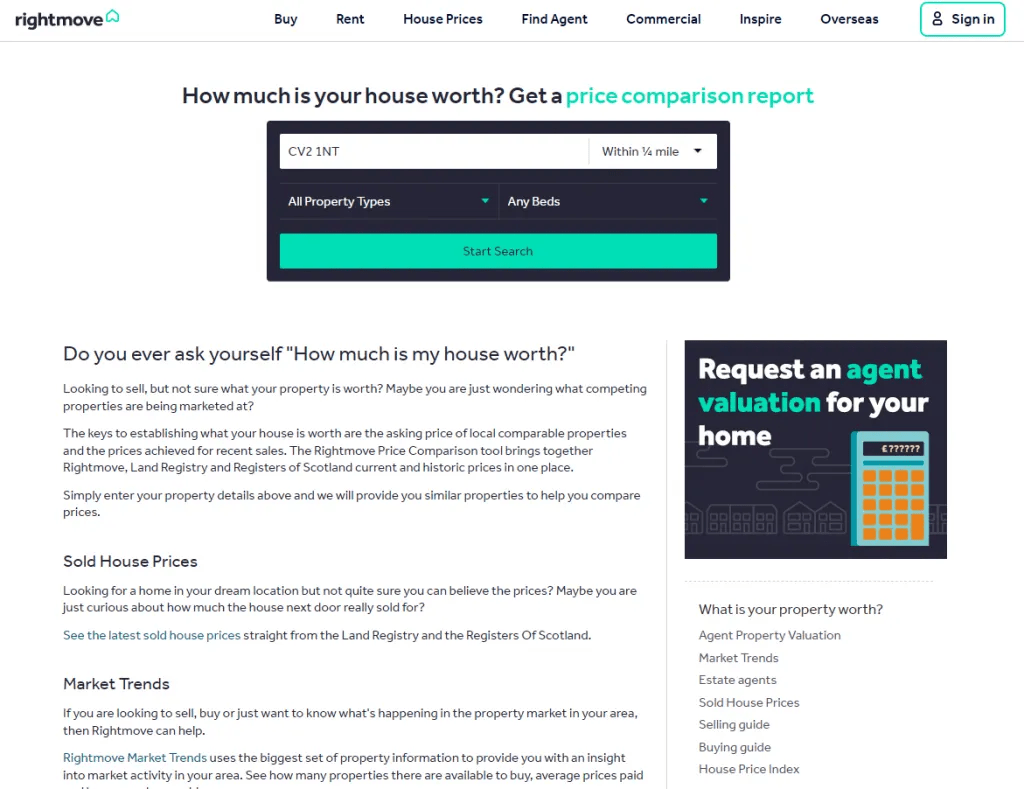
One of the largest property portals, Rightmove, can help. Using its large database, you can estimate the value of a property by comparing it with other listings. The first tool is the Rightmove price comparison report, which will show you the asking prices in listings in your area. You can narrow down your search by the number of bedrooms in a house, for example.
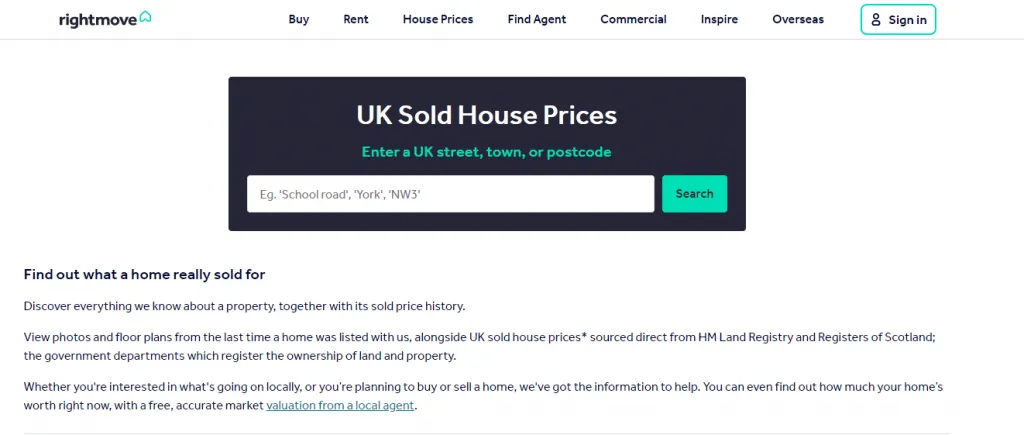
The second tool is Rightmove UK sold house prices, which will provide you with information on historical price changes. This is where you can see the prices similar properties sold for and, where available, photos from past listings. It is definitely worth using this data, especially as it is free and easily accessible.
If you are able to spend some money, you can order the RICS Home Survey we mentioned above. The problems it highlights can help you decide which repairs to deal with before you sell. With this set of data, valuing a property should be easier.
What if you are the buyer?
If you are buying, remember that the estate agent normally acts for the seller, so do your own research on comparable sold prices before making an offer. In addition to the tools offered by Rightmove, it is also worth using the similar functionality of the Zoopla platform. The more information you check and process, the better you will understand this market.
Summary
-
The value of property depends on the location, age, condition, standard and area of the building. Cleanliness, neighbourhood and the appearance of the garden are also important.
-
The value of property is constantly changing and is not the same as the price the buyer will pay.
-
Sometimes it is worth investing money in preparing a property for sale, because it may help you achieve a better price.
-
Take care of the small details that you can change yourself or with small expenses. Some small jobs, such as tidying, decluttering and fixing snags, need little money but do take time and effort.
-
Try to adapt to the buyers’ needs. With a good approach, engaging in answering questions and preparing the interior properly, you may be able to achieve a better price and also make the sale more enjoyable for you.
FAQ
Frequently asked questions
Does an extension or loft conversion always add value?
No. Extra space can be useful, but there is no guarantee that a buyer will pay more than the work cost you. Budget carefully and gather the planning permission and building regulations approvals for the work.
Is it worth decorating or doing repairs before selling?
Small jobs can be worthwhile. Cosmetic updates, such as repainting walls or refreshing kitchen cabinet fronts, can make a property look better cared for and more appealing to buyers. Keep receipts for the work, as you can use them in negotiations.
How can I check what my home is worth?
Use property portals such as Rightmove, where you can see the prices similar properties sold for and, where available, photos from past listings. Zoopla offers similar tools. Comparing your home with comparable sold prices helps you set your asking price.
Can I borrow more on my mortgage to pay for an extension?
You may be able to pay for an extension or loft conversion by borrowing more from your current mortgage lender (a further advance) or by remortgaging. Any extra borrowing depends on the lender’s criteria and affordability checks and increases the debt secured on your home, which could be repossessed if you do not keep up repayments.