
TL;DR
In short
- Set a clear savings goal, such as your deposit and buying costs, so you know how much to put aside each month.
- Review your transaction history and group your spending into categories to see where your money goes.
- Budget for essentials first, such as rent, council tax, energy bills, insurance and food, then look for non-essential spending you can cut.
- Before applying for a mortgage, it can help to reduce other borrowing where you can, because lenders take your existing credit commitments into account when assessing affordability.
- Your bank’s app, a spreadsheet or a dedicated budgeting app can help you track your spending against your plan.
If you’re reading this article, you’re probably planning to apply for a mortgage, or you’re already repaying one and your budget feels stretched. Whatever your reason for visiting, this guide explains how to set a savings goal, track and cut your spending, reduce other borrowing, choose budgeting tools and plan for the costs of owning a home.
How much should I be saving?
Saving is usually easier when you have a clear goal. This could be the deposit for a mortgage, a car, a renovation or a holiday abroad. Whatever your goal, estimate how much it will cost. Without that figure, it is hard to work out how much you need to set aside.

Some people use a rule of thumb of saving 10-20% of household income, but the right amount depends on your income and essential costs. A couple earning £50,000 a year may not be able to save as much as a couple earning over £100,000, although a higher income does not always mean more money in the bank.
Buying costs depend on the property price, taxes, financing and how the transaction proceeds; prepare an individual cost estimate. Budget for the legal fees, taxes, surveys and moving costs that apply to your transaction. The seller normally pays their estate agent; a separate buyer-side fee may apply if you appoint a buying agent or agree to purchase terms that include one. How long it takes to reach your savings goal depends on your individual cost estimate, income and outgoings. The steps below can help you plan.
Step 1: Visualise your expenditure
The biggest problem with many household budgets is not large, expensive purchases. More often, it is the hundreds of pounds spent on small things that add little to our comfort but reduce our financial security. When did you last look through your transaction history? You may find purchases you don’t even remember making.

For this reason, before you plan your budget and savings, go through your transaction history. Group your spending into categories such as food, household bills, transport, education and entertainment. The more categories you use, the more detailed your overview will be.
Step 2: Set aside a budget for unavoidable living costs
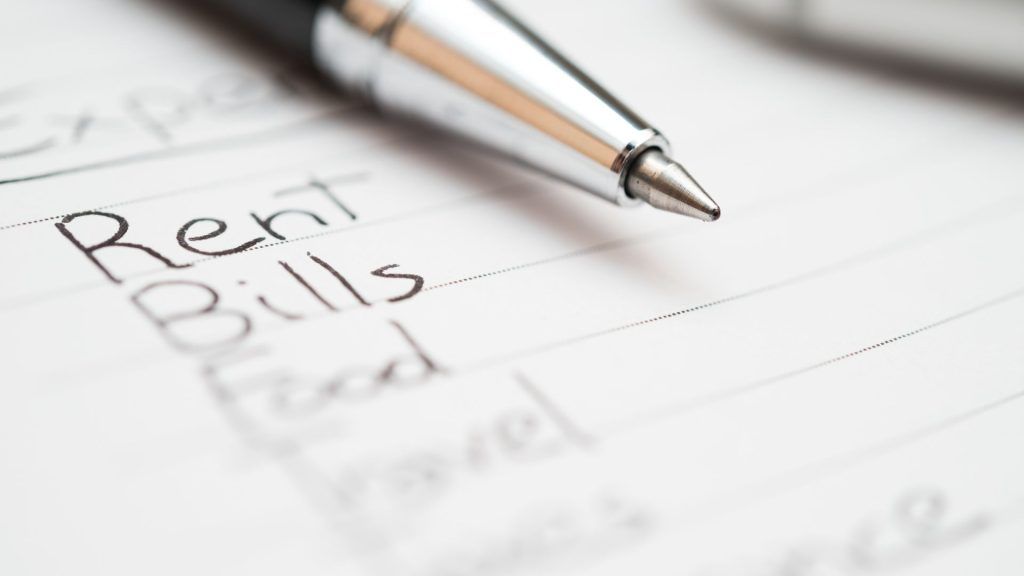
Budgeting does not mean giving up eating out or sitting with the lights off. Some costs have to be paid regularly and are hard to avoid - rent, for example, which you will keep paying until you buy your own home. Your budget should therefore include items such as:
-
Monthly rent;
-
Council tax;
-
Insurance premiums;
-
Any loan or lease repayments;
-
Energy bills, water and food;
-
School fees, if you pay them.
Of course, it’s worth checking whether you can spend less. An insurance review may show whether you’re overpaying, and planning your shopping can help too. Many households throw away some of their food because they buy more than they need.
Step 3: Reduce unnecessary expenditure
Small, unplanned purchases can do real damage to a budget. Check whether you use all your subscriptions and, if you do, whether a cheaper plan would work. You might also buy lunch out less often or cut back on takeaway coffee.

Holidays can be another large expense. While you’re saving for a mortgage, consider a cheaper holiday or postponing one - either way, you’ll get closer to your goal.
Step 4: Get rid of consumer debts
Before applying for a mortgage, it can help to reduce other borrowing where you can, because lenders take your existing credit commitments into account when assessing affordability. Repayments on credit cards and other borrowing can reduce how much you are able to borrow, and they leave you with less to save each month. Buying on credit or in instalments can be convenient, but it can add to your costs when interest or charges apply.

If you’re repaying consumer debts and have no savings, you may wonder how to clear them. A sensible approach is to avoid new borrowing and prioritise repayments where you can afford to. This can take time, but reducing your debt makes your budget more flexible and leaves more room to save. If you’re struggling with debt, you can get free debt help from MoneyHelper or Citizens Advice.
Step 5: Remember your comfort
Saving for a deposit may take many months, or more than a year. That is a long time to cut back, so it is worth planning some rewards along the way. For example:
-
Each time you save a set amount (e.g. £1,000), put a small sum aside for a meal out, a party or the cinema;
-
Once you reach a bigger milestone, such as a quarter or a third of your target, think about a short holiday. There are plenty of relatively inexpensive trips to help you recharge.
Step 6: Use effective tools
A highly motivated and disciplined person can plan their household budget without any tools. However, if you value convenience, it is worth looking at the budgeting features offered by your bank and by other providers.

A good place to start is your bank’s app - many banking apps sort your spending into categories automatically. This is less useful for planning future spending, but it is a good way to check that your budget is realistic. If you planned to spend around 15% of your income on transport and it’s actually 30%, you need to take another look at your finances.
A spreadsheet can also help. You can set up tables to record your spending, and many people find simple charts easier to read than rows of numbers.
If you want more features, you can download a dedicated budgeting app. Compare the features and costs of different apps before choosing one that suits your needs.
Step 7: Talk to your mortgage broker
As a firm, we do not provide financial advice - we specialise in mortgages and insurance, so we suggest our clients visit a relevant organisation, such as Citizens Advice, if necessary. However, this does not mean that we are unable to help.

As a mortgage broker, we can work out exactly how much you need to save to buy a particular property. A budget built around a clear, realistic goal can be easier to stick to.
How will buying a property in the UK affect my household budget?
Buying a home is a major expense, and it changes your monthly costs. If you currently rent, your mortgage payment may replace your rent. As an owner, however, you will also pay for repairs and maintenance and buildings insurance, and possibly service charges and ground rent if you buy a leasehold property. Your monthly mortgage payments can also change when a fixed or introductory deal ends.
On a repayment mortgage, each monthly payment reduces what you owe. Overpayments can shorten the mortgage term and reduce the total interest you pay, but many mortgage deals limit how much you can overpay, and early repayment charges may apply above the allowance. Whether you own your home outright by retirement depends on your mortgage term, so it is worth considering when you choose how long to borrow for.
Summary
A mortgage is a major commitment that usually lasts for many years, and it affects your household finances for the whole term, so it is worth reviewing your budget regularly.
In this article, we have outlined steps that can help you save for a deposit and keep your household budget under control: set a clear goal, track and cut your spending, reduce other borrowing where you can and use tools that make budgeting easier.
FAQ
Frequently asked questions
How much should I save before buying a home?
It depends on the property price, the deposit you need and your buying costs, such as solicitor and survey fees. Some people use a rule of thumb of saving 10-20% of household income, but the right amount depends on your income and essential costs. A clear savings goal makes it easier to plan how much to put aside each month.
Should I pay off my debts before applying for a mortgage?
Before applying for a mortgage, it can help to reduce other borrowing where you can, because lenders take your existing credit commitments into account when assessing affordability. Try to avoid new borrowing and prioritise repayments where you can afford to. If you’re struggling with debt, you can get free debt help from MoneyHelper or Citizens Advice.
How do existing debts affect how much I can borrow?
Lenders take repayments on credit cards and other borrowing into account when assessing affordability, so existing debts can reduce how much you are able to borrow. Credit or instalment purchases can also add to your costs when interest or charges apply.
What tools can help me manage my household budget?
Many banking apps sort your spending into categories automatically, which helps you check whether your budget is realistic. A spreadsheet lets you record spending and create simple charts, and dedicated budgeting apps offer more features. Compare their features and costs before choosing one.