
TL;DR
In short
- Divorce does not end a joint mortgage: you both remain liable until it is repaid, transferred into one name or refinanced.
- Contact your lender early if you expect to be short of money. It may offer support such as a temporary payment arrangement, but this is not guaranteed and can affect your credit file.
- The main options are selling the home, one of you buying the other out (which usually needs the lender’s approval of a transfer of equity or a remortgage), or keeping the joint mortgage for a period.
- In England and Wales, finances are divided by agreement or by the court based on needs, with no fixed 50/50 rule. An agreement is made legally binding through a consent order.
- The rules differ in Scotland and Northern Ireland, so get legal advice for your situation.
When you take out a mortgage for a house together, you dream of starting a family there and want to treat it as your safe haven. At such a point, however, we do not think about the fact that, for various reasons, the marriage may break up and the consequences of divorce will also affect your finances. What should you do if you decide to separate in the middle of paying off the mortgage? This article describes the rules in England and Wales; they differ in Scotland and Northern Ireland.
Shared responsibility
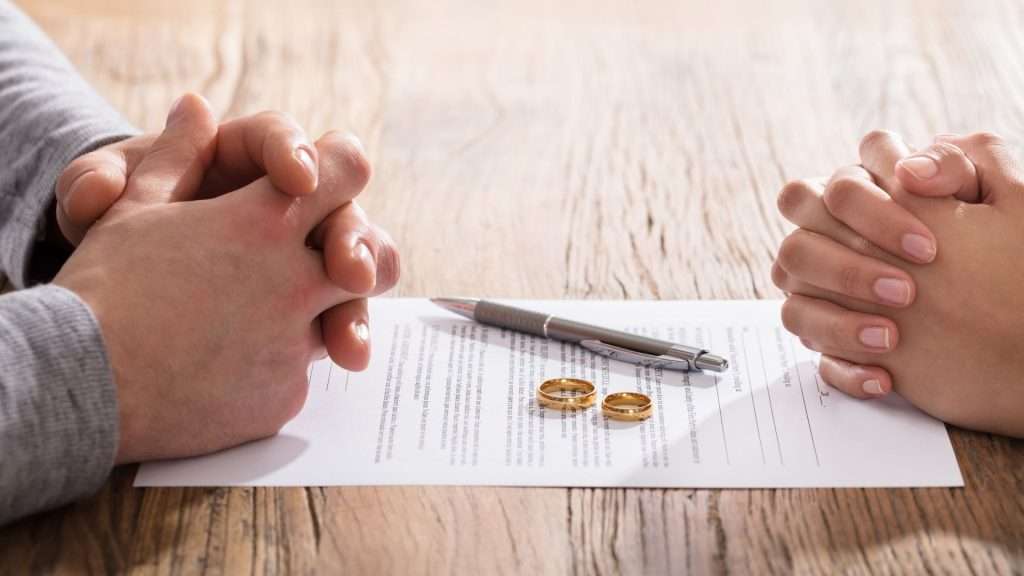
Many married couples have a joint mortgage, which means both of you are named in the documents as responsible for repayment. From a formal point of view, it does not matter whether you paid equal shares of the instalments during the marriage. Even if only one of you made the repayments, you will both bear the consequences.
It is worth pointing out at this stage that if your ex-partner does not pay, your credit score will also suffer. Unpaid mortgage instalments can also damage your credit record, so it is important to act quickly.
Divorce with a joint mortgage step by step
If you know you are going to separate, contact your lender as soon as possible, especially if you expect to be short of money for a while. The lender must consider your circumstances and may offer support such as a temporary payment arrangement, but this is not guaranteed and can affect your credit file. If you fall behind and do nothing, the consequences can be serious and can even lead to your home being repossessed.
Division of property
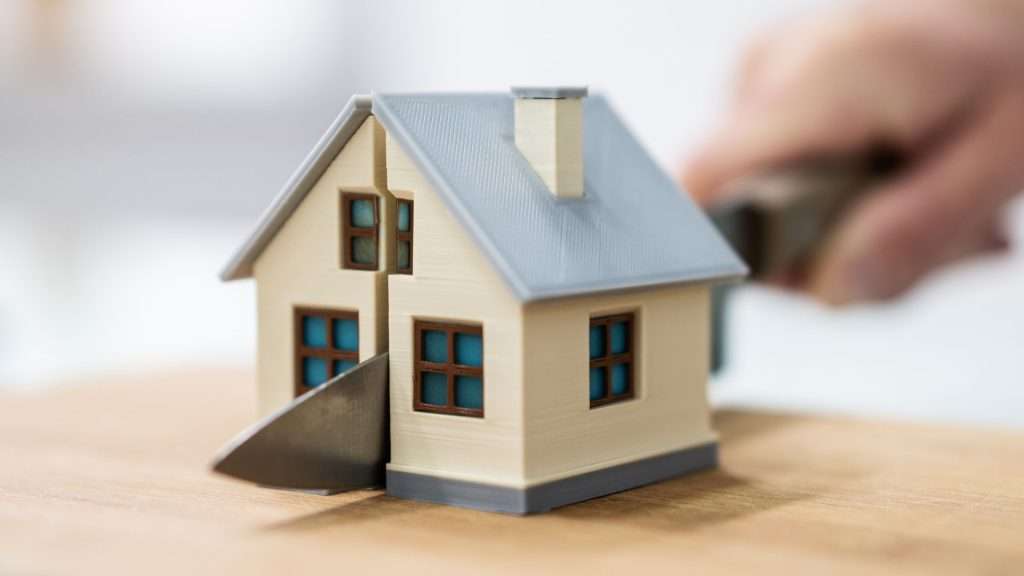
You also need to decide what will happen to the property itself and the mortgage. There are several options:
-
Selling the property - one option is to sell the home. The proceeds are used to repay the rest of the mortgage and the selling costs, and what remains is split as agreed or as the court orders, which is not necessarily equally;
-
Keeping the joint mortgage - some couples keep paying the mortgage together for a period. One of you moves out, and you agree who pays what. You both remain jointly liable to the lender, so the arrangement should be formalised. We personally do not recommend this option, as your ex-partner’s financial problems may affect you;
-
Buying out your ex-partner and keeping the house - if one of you has enough income or savings, you may decide to stay in your existing home. The partner who stays pays the other an agreed share of the equity. This usually needs the lender’s approval of a transfer of equity or a remortgage in their sole name, which depends on affordability: the lender may not agree if the remaining borrower’s income is not high enough.
Legal procedures
Selling the property and buying out your ex-partner both require formal changes to the ownership of your home, so you will usually need a solicitor or licensed conveyancer. A transfer of equity is handled in a similar way to the sale of a property.
Other finances in the settlement

According to the gov.uk website, a divorce settlement also covers other areas of your finances. This is important because the settlement may affect your ability to borrow later: any child maintenance you pay is treated as a commitment, and some lenders may count maintenance you receive as income. Keep this in mind when discussing your finances.
Closing the joint mortgage
Once your marriage has officially ended, it is time to deal with your current mortgage. Divorce does not end a joint mortgage; you both remain liable until it is repaid, transferred into one name or refinanced. You can keep paying it after the separation, but we suggest that you deal with this as soon as possible. If one of you wants to stay in the home and take over the repayments, see the section on a new mortgage after divorce below.
Divorce when the home is in one spouse’s name

If the documents show the details of only one of you, the situation is more complicated. In England and Wales, the court can consider all assets, including a home in one spouse’s sole name, when dividing finances. If your ex-partner wants you to leave the home and argues that they pay the mortgage, read the guidance published by the UK government.
Owning the home before the marriage may be taken into account, but in England and Wales the family home is usually still considered when finances are divided, whoever owns it. The rules differ in Scotland and Northern Ireland, so get legal advice about your situation.
Will the property be divided equally?

Unfortunately, divorce does not always go smoothly, but most couples reach an agreement about their finances without a judge deciding. In England and Wales there is no fixed 50/50 rule. If the court decides, it considers needs (especially housing any children), income, resources and other factors, such as the interests of your children, your health, personal debts or savings, so the split may or may not be equal. For this reason, it is often worth negotiating and reaching an agreement together, which can be made legally binding through a consent order.
Court proceedings also involve legal costs. Legal aid is generally not available for sorting out finances on divorce, except in limited cases such as domestic abuse, but it may be available for mediation.
A new mortgage after divorce

After a break-up you have to live somewhere. If you decide to stay in your existing home, you need to deal with the repayments. Remortgaging into one name may be an option if you can pass the lender’s affordability checks on your own income. Compare the new deal with your current one, including any early repayment charges and fees.
If your ex-partner stays in your current home, you will need to find a new property. You may receive a share of the equity, which may help you cover the deposit on a new mortgage.
Taking a mortgage without a partner also means more financial risk. If you lose your income, you will not be able to rely on financial support from your spouse, so you may want to look at income protection. When you apply, it is worth discussing with an adviser whether protection such as income protection is suitable for you.
Summary
A joint mortgage does not end with the marriage, so it helps to plan early:
- Contact your lender as soon as you know you are separating, especially if you may be short of money.
- Decide together whether to sell, have one partner buy the other out or keep the joint mortgage for a while, and check what your lender will approve.
- Try to reach an agreement and, in England and Wales, make it legally binding through a consent order.
- Get legal advice, particularly if you live in Scotland or Northern Ireland.
FAQ
Frequently asked questions
Am I still liable for a joint mortgage after divorce?
Yes. Divorce does not end a joint mortgage. You both remain liable to the lender until it is repaid, transferred into one name or refinanced, even if you agree that only one of you will pay. If your ex-partner does not pay, your credit score can suffer too.
Can I take my ex-partner off the mortgage?
Usually only with the lender’s approval. The partner who stays normally pays the other an agreed share of the equity and either applies for a transfer of equity or remortgages in their sole name. This depends on whether they can afford the mortgage on their own income, and you will usually need a solicitor or licensed conveyancer.
Will the house be split 50/50?
Not necessarily. In England and Wales there is no fixed 50/50 rule. Most couples reach an agreement without a judge; if the court decides, it considers needs (especially housing any children), income, resources and other factors, so the split may or may not be equal.
Can I get a new mortgage after divorce?
It may be possible. Remortgaging into one name may be an option if you can pass the lender’s affordability checks on your own income; compare the new deal with your current one, including any early repayment charges and fees. Any child maintenance you pay is treated as a commitment, and some lenders may count maintenance you receive as income.
Do the rules differ in Scotland and Northern Ireland?
Yes. This article describes the rules in England and Wales. Scotland and Northern Ireland have different rules, so get legal advice about your situation.