
TL;DR
In short
- A shared ownership resale is a home sold by its current shared owner, usually advertised through the landlord or its agent, and the landlord checks that you are eligible.
- In England you can usually apply only if your household income is £80,000 or less (£90,000 or less in London).
- You usually buy the share the seller owns, and on a resale home the starting rent is usually the same as the previous shared owner was paying.
- If you bought your home on or after 1 April 2021, you may also be able to buy shares of 1% each year for the first 15 years, in addition to the usual larger purchases.
- Buying a share of 5% or more usually means paying for a RICS valuation, and the landlord may also charge an administration fee, usually around £150 to £500.
Shared Ownership is a scheme in England for people who cannot afford all of the deposit and mortgage payments for a home that meets their needs. This guide covers Shared Ownership in England; Scotland, Wales and Northern Ireland have different schemes. It can be an interesting option, but a number of conditions need to be met. One of them is choosing the right property, either a resale home or a new build, and this is what we will address in this article.
Which properties are eligible for the shared ownership scheme?
At the outset, we must point out that only a proportion of houses and flats are eligible for the Shared Ownership scheme. We can divide them into 3 categories:
-
Newly constructed properties purchased from the developer;
-
Already existing properties offered under a shared ownership resale scheme;
-
Properties that meet your special needs as a result of a long-term disability.

We would also add that properties bought under the shared ownership scheme are leasehold. This article focuses on resale homes.
How shared ownership resales work
A resale is a shared ownership home that its current shared owner is selling. Resale homes are usually advertised through the landlord or its agent, and the landlord checks that you are eligible to buy. In England you can usually apply only if your household income is £80,000 or less (£90,000 or less in London).
You usually buy the share the seller owns. Depending on your affordability and the landlord’s resale rules, you may be able to buy a bigger share than the seller owns, with the extra share bought from the landlord through staircasing at the same time.
On a resale home, the starting rent is usually the same as the previous shared owner was paying. For new-build shared ownership homes, the rent limit is 3% of the value of the landlord’s share, and most landlords charge 2.75%. Rent usually rises each year in line with the terms of your lease.
Buying a second-hand house
The first step to buying your own home is to find a good deal. The best option is to use the official search tools on government websites: here you will find properties in London, and here you will find organisations selling shared ownership homes in England. You can extend your search to portals such as Zoopla and Rightmove, but the number of listings is not very large, so we advise against limiting yourself to these alone.
When looking for a home, check not only the price but also the size of the share the current owner is selling, and whether it fits your budget.
Also bear in mind the costs. As well as rent, you will usually pay a service charge, which covers the upkeep of the shared parts of the estate, such as pavements, lawns and lighting. Service charges vary by property, so check the amount in the lease or key information document before buying. This is a very important detail, as it is a recurring expense that lenders must take into account when assessing your mortgage affordability.
Buying a house from a developer
For new-build properties, the matter is much simpler. The quickest way to build up a fairly large list of homes is to find developers in your area and browse their websites - housing companies very often set themselves up to sell properties under shared ownership, so the process shouldn’t pose too many difficulties.

Buying shares in a house with Shared Ownership
Increasing the number of shares in a property, known as staircasing, obviously means that your rent will fall. Most of our clients set themselves up for such a transaction from the outset, but it is worth bearing in mind that the rules of redemption may vary depending on the date of the original contract.
The general rule is simple - the older the lease, the more shares you have to buy. For some houses, we’re talking as much as 25% of the value of the property. Thresholds in recent contracts may be as low as 5%, but the general market standard is 10%. If you bought your home on or after 1 April 2021, you may also be able to buy shares of 1% each year for the first 15 years, in addition to the usual larger purchases.
If you are buying a share of 5% or more, you will need a valuation by a valuer registered with the Royal Institution of Chartered Surveyors (RICS). The valuation tells you the price you will have to pay. In addition, the landlord may charge an administration fee each time you buy a share of 5% or more, usually around £150 to £500.
How worthwhile is it to buy shares in a Shared Ownership property?
Buying a share of 5% or more usually means paying for a RICS valuation, and the landlord may also charge an administration fee. No administration fee is charged for 1% purchases. These costs do not reduce either your rent or your mortgage instalment. On the other hand, the more of the home you own, the lower your rent.

The situation is simpler if your lease allows small purchases of 1% a year, the smallest step available on newer leases. For a home worth £180,000 to £250,000, 1% is £1,800 to £2,500, which may not be too much of a challenge for you. At the same time, if you have a one-off sum of money, you may want to consider the alternative of reducing your mortgage balance, through an overpayment or when you remortgage. Let’s compare the immediate monthly cash flow under explicit assumptions.
Using a mortgage with a 5% deposit, Paul and Martha bought a 50% share in a house worth £250,000. Their mortgage is £118,750. At an illustrative constant annual rate of 6%, with monthly repayment over 25 years, the mortgage instalment is £765.11. The landlord charges rent of 3% of the value of its share, or £312.50 per month.
We calculated the loan instalment using the calculator on the Moneyhelper website.
Assuming that the couple in our example received a bonus of £25,000 from their employer, that would be enough to buy a 10% share of a £250,000 home, which is the usual minimum on many leases (check your own lease). Alternatively, they could use the money to reduce their mortgage balance, through an overpayment or when remortgaging, which can make a noticeable difference to the monthly instalment. Early repayment charges or other fees may apply. So what would the savings be?
Buying an additional 10 percentage points of a £250,000 home for £25,000 would reduce rent charged at 3% by £62.50 per month, before fees. Alternatively, a £25,000 mortgage overpayment would reduce the balance from £118,750 to £93,750. If the lender recalculated payments over the same 25-year term at the same 6% annual rate, the monthly repayment would fall from £765.11 to £604.03, a reduction of £161.08. These illustrative calculations assume monthly repayment, unchanged rates and no fees or early repayment charges.
This compares immediate monthly cash flow only. Part of a repayment mortgage instalment repays capital, while staircasing buys a larger share of the property. A fuller comparison should include the remaining mortgage balance, ownership share, future rent reviews, property value changes, fees and early repayment charges. An overpayment may shorten the term instead of reducing the payment, depending on the lender.
Different interest rates, rent review terms, fees and property values can change the result. A lower monthly payment alone does not establish which option offers the better overall financial outcome.
There is no general rule. Compare both the immediate cash flow and the longer-term position before deciding. Existing mortgage terms, affordability and the lender’s assessment may also affect which options are available.
Which house is worth choosing for Shared Ownership?
The decision to buy a house should always be made after comprehensive analysis, but it seems to us that in the case of shared ownership, the approach should be somewhat different from usual.
First and foremost, your mortgage affordability is most likely to be low, which means you want the lowest possible instalments. You may also want to spread the repayment period over as many months as possible, and this means that you are tying yourself to your property for years, at least in theory. This makes it worth thinking carefully about your plans for children, work and the many amenities that will only be useful to you in 20-30 years’ time. Maybe it’s better to choose a house in a slightly worse location but with an extra bedroom or one with more rooms on the ground floor? You need to consider this carefully.
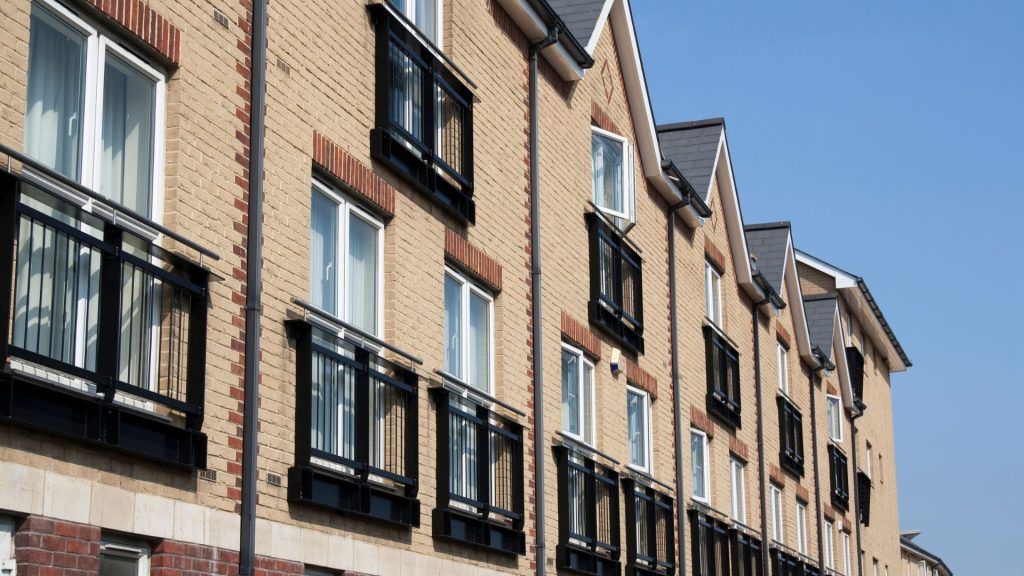
Also be aware of the condition of the building - the property you are buying will be partly owned by the landlord and this limits your freedom. We would be wary of houses in need of major renovation, in a poor neighbourhood and with neglected surroundings. It will be very difficult for you to influence the housing association, and any savings on the service charge will not cover the decline in the value of the house that may be progressing.
Also bear in mind the costs. Some landlords offer more and others less favourable rents. The monthly rent and mortgage repayment cover different things: rent pays for use of the landlord’s share, while a repayment instalment also reduces your mortgage capital. Compare their combined cash flow and total costs rather than inferring value from the percentage rates alone. When assessing your application, lenders must take account of your regular commitments and essential spending, and lenders such as Nationwide require the shared ownership rent to be included as a monthly outgoing. This can lower how much you are able to borrow, and you may not get the amount you need. We invariably encourage you to do at least some simple calculations with which to estimate whether it is more worthwhile to buy a cheaper house with higher fixed costs or a more expensive property that will be easier to maintain in the future.
If you are considering a shared ownership resale, we can help you explore mortgage options available to you and understand how the mortgage, rent and service charges affect affordability. Contact us to discuss your circumstances.
FAQ
Frequently asked questions
What is a shared ownership resale?
A shared ownership resale is a shared ownership home sold by its current shared owner. It is usually advertised through the landlord or its agent, and the landlord checks that you are eligible. In England you can usually apply only if your household income is £80,000 or less (£90,000 or less in London).
What share do I buy in a resale?
You usually buy the share the seller owns. Depending on your affordability and the landlord’s resale rules, you may be able to buy a bigger share than the seller owns, with the extra share bought from the landlord through staircasing at the same time.
Is the rent the same as the previous owner paid?
On a resale home, the starting rent is usually the same as the previous shared owner was paying. Rent usually rises each year in line with the terms of your lease.
Can I buy more shares later?
Buying more shares is known as staircasing, and the minimum share you can buy depends on your lease. If you bought your home on or after 1 April 2021, you may also be able to buy shares of 1% each year for the first 15 years, in addition to the usual larger purchases.
What extra costs should I expect?
As well as your mortgage and rent, you will usually pay a service charge, which varies by property, so check it in the lease or key information document before buying. Buying a share of 5% or more usually means paying for a RICS valuation, and the landlord may also charge an administration fee, usually around £150 to £500. No administration fee is charged for 1% purchases.