
TL;DR
In short
- The ideal time to take out a mortgage is usually only clear in hindsight.
- Bank Rate influences mortgage rates, but lenders set their own rates.
- Seasonal patterns in the housing market are a weak guide to timing a purchase.
- A larger deposit may give access to lower rates, but waiting means paying rent for longer.
- Base your budget on your current circumstances, but also consider foreseeable changes, such as plans to grow your family, change employment or retire. Allow for moving costs and the risk of falling property prices.
For many people in the UK, buying a home means taking out a mortgage. So the question is whether there is a better or worse time to take one out.
What is the best time to take out a mortgage?

This is a question we hear very often, and the answer is always the same - you only find out when the ideal time to take out a mortgage was once it has passed. Why? Because ideally you would buy when property prices are at their lowest and mortgage rates are as low as possible at the same time. You can only tell that prices have bottomed out after they have started rising again, so you are always looking back.
However, this does not mean that there are no better and worse times in the market. In the rest of this article, we take a closer look at when it is worth taking out a mortgage to buy a home in the UK.
Is it worth taking out a mortgage when interest rates are high?
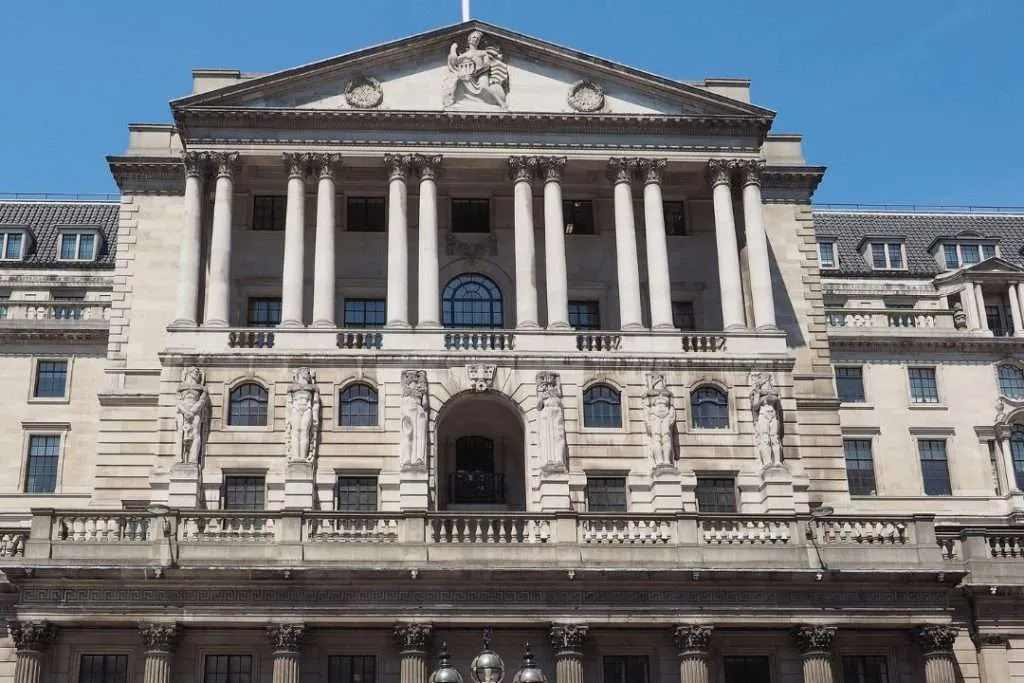
Lenders set their own mortgage rates, but these are influenced by Bank Rate, which is set by the Bank of England. Bank Rate rose to 5.25% in August 2023 and has since been reduced several times; check the Bank of England website for the current rate.
When rates are higher, borrowing costs more and monthly mortgage repayments rise, which can put people off buying. The flip side is that rent is a cost you keep paying while you wait.
House prices and rents depend on many factors, so higher interest rates alone do not make it a good or bad time to buy. You can follow recent changes in house prices in the HM Land Registry UK House Price Index.
Is it worth taking out a mortgage at a particular time of the year?

Housing-market activity can vary through the year, but such patterns are not consistent from year to year and are a weak basis for timing a purchase. Mortgage rates can also change at any time of year.
So is there a best month to buy? Not reliably. Your own readiness - your deposit, affordability, credit history and finding the right property - usually matters more than the calendar month.
I have a 5% deposit and I don’t know if it’s worth taking out a mortgage. Maybe it’s better to wait and raise some cash?

Our customers also ask this question from time to time. The answer depends on your circumstances, so let us use two illustrative examples:
Emma and Paul are looking for a small house away from the big city, with a budget of around £100,000. In this illustrative example, the couple estimate they will need around £7,000-£8,000 for the deposit and buying costs.
To get a mortgage with a 10% deposit, Emma and Paul would need an additional £5,000. A 10% deposit may give access to lower rates, which may reduce monthly payments, but postponing means paying rent for longer.
Mark and Natalie have three children and are looking for a house in Edinburgh (see our guide to buying a house in Scotland). The house this family has chosen costs £320,000. Mark and Natalie have been saving for many years and received a gifted deposit from their parents, which enabled them to raise £36,000.
A 5% deposit alone is not enough to decide whether buying now is suitable. They would need to compare affordability, purchase and moving costs, an emergency reserve and the cost of continued renting, allowing for changes in prices and rates.
Think carefully about the size of your deposit. On the one hand, the more you save, the less you have to borrow and, consequently, the more favourable your mortgage terms and the total interest you pay can be. On the other hand, you have to live somewhere, and the money you spend on rent will not come back to you. For some buyers, saving a further 5% can take a long time, which is worth weighing against the rent paid meanwhile.
What if you expect your income to improve significantly over the next few years? One option to consider later is to remortgage. Remortgaging means moving your mortgage to a new deal, often with a different lender. When you remortgage, you may be able to shorten or lengthen the mortgage term. If your property value has held up and you have repaid part of the loan, a lower loan-to-value may give access to better rates, subject to affordability checks, the property’s value at the time, any early repayment charges and fees.
Be sure to check out: Buying or renting a home in the UK?
We’ll be expanding our family in a few years’ time. Is it worth taking out a mortgage now?

Base your budget on your current circumstances, but also consider foreseeable changes, such as plans to grow your family, change employment or retire.
What if you need an extra bedroom later? Borrowing more from your lender (a further advance) or remortgaging to fund an extension may be possible, subject to affordability. Another option is to sell your existing home and buy a larger one. Moving may be a challenge, but you build equity over time as you repay the mortgage. Moving later involves costs, and how much equity you have depends on house prices and how much you have repaid.
Summary
A mortgage is a serious commitment, so you’re likely to have lots of questions. Luckily, you can ask them to the experts in the field - your first consultation with our advisors is always free. It’s a chance to discuss your affordability and whether buying now suits your situation.
FAQ
Frequently asked questions
What is the best time to take out a mortgage?
The ideal time is usually only clear in hindsight, because you would need to buy when property prices are lowest and mortgage rates are low at the same time. In practice, your own readiness - your deposit, affordability and finding the right property - matters more than trying to time the market.
Is it worth taking out a mortgage when interest rates are high?
Higher rates raise borrowing costs and monthly repayments, but rent is a cost you keep paying while you wait, and house prices depend on many factors. Lenders set their own mortgage rates, which are influenced by Bank Rate. Bank Rate rose to 5.25% in August 2023 and has since been reduced several times, so check the Bank of England website for the current rate.
Is it worth taking out a mortgage at a particular time of the year?
Housing-market activity can vary through the year, but these patterns are not consistent from year to year, and mortgage rates can change at any time. There is no reliably best month to buy; your own readiness usually matters more than the calendar.
Should I buy with a 5% deposit or wait until I have 10%?
It depends on your circumstances. A 10% deposit may give access to lower rates, which may reduce monthly payments, but postponing means paying rent for longer. For some buyers, saving a further 5% can take a long time.
Should I buy now if we plan to have more children?
Base your budget on your current circumstances, but also consider foreseeable changes, such as plans to grow your family, change employment or retire. If you need more space later, borrowing more from your lender, remortgaging to fund an extension or moving may be options, subject to affordability; moving involves costs.