TL;DR
In short
- Your credit score reflects how you have handled credit and can affect whether you can borrow, how much and at what rate.
- Paying on time and reducing your balances before a mortgage application can help your score.
- Check your credit report for errors before you apply; checking your own report does not affect your score.
- Avoid several credit applications or new accounts shortly before a mortgage application, and use soft-search eligibility checkers first.
- Being on the electoral register at your current address helps lenders confirm your name and address.
If you plan to buy a property in the UK, it is worth improving your credit score before you apply for a mortgage. This article explains how you can do this.
What is a credit score?
A credit score is an indicator of your creditworthiness. It reflects how you have handled money in the past, such as paying bills or repaying loans. Banks and other lenders use it to assess their risk. Borrowers who have a good credit score may benefit from better deals (source: MoneyHelper).
Your creditworthiness is determined by 3 things:
-
Can you borrow money?
-
How much can you borrow?
-
What interest rate will you be offered?
Your credit score is a number, and each credit reference agency uses its own scale. According to HSBC:
-
Experian considers the range of 961-999 points to be an excellent result, 881-960 points to be good, and 721-880 points to be fair. Lower scores could mean higher interest rates or a declined application.
-
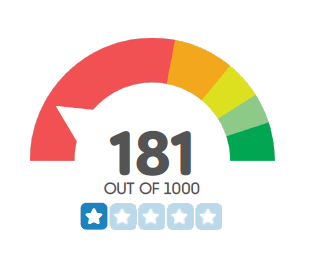
Equifax uses a scale of 0-1000: 811-1000 is excellent, 671-810 is very good, 531-670 is good, 439-530 is fair and 0-438 is poor.
-
TransUnion: The highest category is 628-710 points, the good one is 604-627 and the fair one is 566-603.
Source: (What is a credit score)
Pay off debts
Using a high share of the credit available to you, or carrying several debts at once, can lower your credit score and reduce how much lenders think you can afford. Reducing your balances before a mortgage application can help, and it is worth applying for any further credit only after you have bought the property. This also gives you time to adjust your monthly budget to your new costs.
Paying down debts also gives you security: lower debts leave more room in your budget if your income changes.
Pay on time
Your credit score does not depend only on how much you have borrowed. Missed payments on other agreements, such as mobile phone contracts, can also be recorded on your credit report and affect your score (source: Equifax). To avoid missing a payment by accident, set up a direct debit or reminders on your phone.

Check your report for errors
Before you apply for credit, check your report for transactions or credit applications you do not recognise. Perhaps arrears shown on the report were settled long ago? Errors on your report can affect lenders’ decisions, so correct them before you apply. Here’s a description of the procedure for correcting errors with Experian. The procedure at the other agencies is similar.
Avoid opening new accounts before you apply
On the Experian website, however, we can find information that creating new accounts lowers the credit score for some time (source: what affects score). Avoid opening several new bank accounts or credit cards shortly before a mortgage application.
Check your credit report before you apply
Now that you know what a good credit score looks like, you may want to check your own. Building a better credit score can take many months, and checking your own credit report or score does not affect your score. It is worth checking your report before you submit a loan, mortgage or credit card application to reduce the risk of a refusal. If your score is lower and you are thinking about a mortgage, it is worth talking to a broker to see whether you have a chance of getting a loan. Remember that each full credit application usually leaves a hard search on your report that other lenders can see, although being refused is not itself recorded on your report.
How to check the credit score? Just use any of these credit rating agencies within UK: Experian, TransUnion, Equifax. You can also use Checkmyfile, which gathers information from all 3 agencies at the same time. Generating and checking the report within the first 7 days is free, then £14.99 per month with the possibility of closing the account at any time*.
Do not apply for several loans at once
Making a lot of credit applications can negatively affect your credit score (source: Experian). It can give the impression that you are handling money carelessly. If you are not sure about your credit score, it is worth waiting a while. Each application usually leaves a hard search on your credit report that other lenders can see, so applying to several banks in a short time will not help and can make your credit score worse.
Choose a soft credit check
A full credit application usually leaves a hard search on your credit report. Eligibility checkers and quote tools usually use a soft search instead, which other companies cannot see (source: HSBC). Where possible, use an eligibility checker or quote tool that uses a soft search before you make a full application.
Register to vote at your current address
Being on the electoral register at your current address helps lenders confirm your name and address, which can improve your credit score. You can register on the GOV.UK website. Your electoral register details usually appear on your credit report within about a month, although registrations during the annual canvass (roughly August to November) may not show until 1 December. (source: the electoral register and your credit score)
Mortgage with a partner
Your partner can help you when you apply for a mortgage, but at the same time can reduce your chances of getting one. Living together or being married does not link you financially on its own. If you have a joint account or joint credit with someone, they can be recorded as your financial associate, and lenders may look at their credit information when you apply, even if you apply alone. A partner’s poor credit history can reduce your chances of approval if you are financially linked, which is why it can make sense to keep finances separate where you can.
On the other hand, a joint application may be worth considering. Lenders assess affordability by looking at your income, outgoings and existing debts, and if you apply with another person, the amount you can borrow may be higher, because the lender takes both incomes into account.
I hope that the above information will help in building and maintaining a good credit score. If you have any questions, please contact us. Our advisors will check your credit score, help you get the right mortgage and guide you through the whole process of buying a property.
FAQ
Frequently asked questions
Does checking my own credit score lower it?
No. Checking your own credit report or score does not affect your credit score, so it is worth checking it before you apply for a mortgage, loan or credit card.
Does being refused credit hurt my credit score?
Being refused is not itself recorded on your credit report. However, each full credit application usually leaves a hard search that other lenders can see, so applying to several lenders in a short time can make your score worse.
Does registering to vote improve my credit score?
It can. Being on the electoral register at your current address helps lenders confirm your name and address. Your details usually appear on your credit report within about a month, although registrations during the annual canvass (roughly August to November) may not show until 1 December.
Can the credit history of my partner affect my mortgage application?
It can if you are financially linked. A joint account or joint credit can make someone your financial associate, and lenders may look at their credit information when you apply, even if you apply alone. Living together or being married does not link you financially on its own.
What is a good credit score with Experian, Equifax and TransUnion?
Each agency uses its own scale. According to HSBC, Experian rates 881-960 as good and 961-999 as excellent; Equifax, on a 0-1000 scale, rates 531-670 as good, 671-810 as very good and 811-1000 as excellent; TransUnion rates 604-627 as good and 628-710 as its highest band.