TL;DR
In short
- At the outset, we must point out that Pet Insurance is not the same as Pet Healthcare Plans and Pet Plans, which are offered by veterinary clinics and which only cover vaccinations, deworming and annual health checks for your pet.
- Why do I need cat or dog insurance in the UK?
- This article is intensely personal in addition to being the owner of Extend Finance, I also own two cats both insured, of course.
- Well, the policy worked, and the insurer paid out £4,000.
- Insurance for dog or cat in the UK what is the best choice?
You become responsible forever for what you have tamed. You are responsible for your rose.
Antoine de Saint-Exupéry, The Little Prince
I don’t think we’ve ever started a blog post with a quote until now. In this case, however, we are making an exception, because the passage from “The Little Prince” quoted above fits perfectly here. We would like to refer a little more to the policies you ask about surprisingly often. So let’s see if insurance for dog, cat or any other pet pays off.
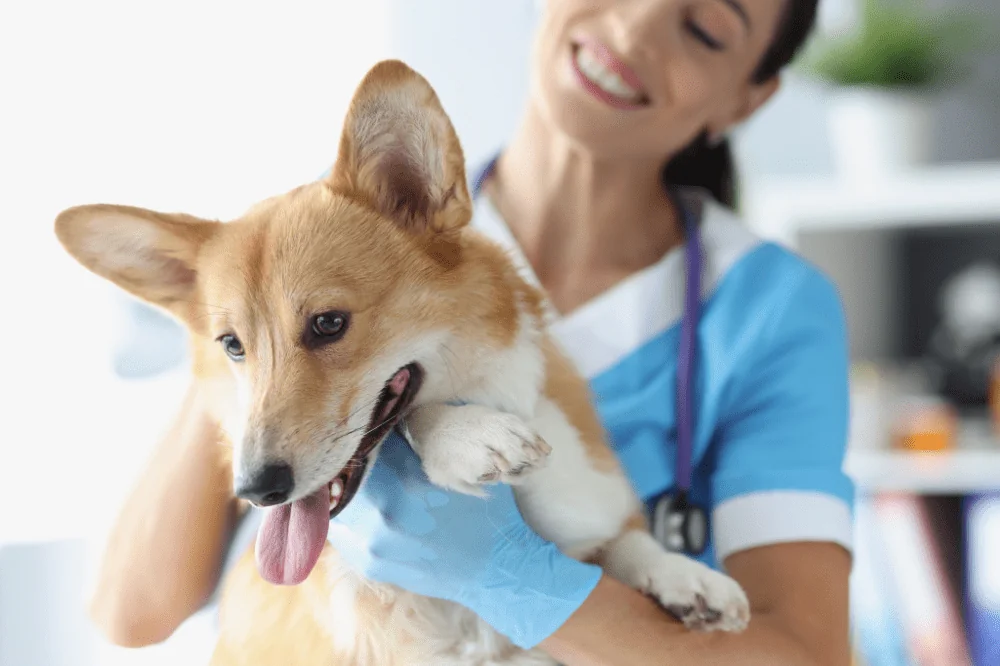
Insuring your dog, cat and other pets can save you from many unforeseen expenses.
Insurance for dog or cat - Pet Insurance
At the outset, we must point out that Pet Insurance is not the same as Pet Healthcare Plans and Pet Plans, which are offered by veterinary clinics and which only cover vaccinations, deworming and annual health checks for your pet.
Compare the vet-fee limit, eligible conditions, exclusions, excess and any co-payment. No policy promises to fund every procedure, and a low premium alone does not establish suitable cover.
Why do I need cat or dog insurance in the UK?

Why do I need cat or dog insurance in the UK?
First of all, let’s establish that insurance for dog or cat in the UK is voluntary - absolutely no one will require it from you, but it is at least reasonable to have it. Why? Because more and more pet owners are gaining awareness of how expensive veterinary treatment can be. Unfortunately, we acquire this knowledge when we least expect it, when our dog, cat or other animal suffers a serious injury or becomes ill.
Like any insurance, dog policies in the UK also protect you against the consequences of unpleasant events. Their purpose is to protect you against the cost of surgery, medication as well as veterinary consultations.
This article describes our personal experience with pet insurance and provides general information. Extend Finance does not compare pet insurance policies or provide recommendations on them.
Our story
This article is intensely personal - in addition to being the owner of Extend Finance, I also own two cats - both insured, of course.
In December 2020, we were doing some renovations at home. The work wasn’t very complicated and this article is completely not about that, so I’ll just say that one of my cats ate the metal staples we used to connect the paint film. As you can easily guess, the result was disastrous.
The cat had to be taken to the vet for urgent surgery in no time. We did everything we could to make sure the poor thing stayed with us. It’s hardly surprising - a responsible owner cares about his pet regardless of the cost of treatment or temporary inconvenience. Unfortunately, the treatment was really expensive:
-
Initial visit: £200 (anti-emetic injections, general inspection);
-
X-ray: nearly £800 (the animal must be sedated before the X-ray under medical supervision);
-
Hospital stay: £1,200 (3 nights, £400 each per night);
-
Surgical removal of staples: £1,800.
The total cost of the therapy was £4,000, which accrued over several days. Fortunately, all expenses were covered by our insurer, Waggel. The paperwork for the claim was minimal, in addition, we didn’t have to use our own credit card, as it was the vet who took care of contacting the insurance. It was only on my side to fill out a not very long form and provide all the necessary data.
This article contains an affiliate link to Waggel. If you use it and buy a policy, we may receive payment. The claim described is my personal experience and does not guarantee payment in another case; the terms of the particular policy apply.
Now ask yourself, can you afford such expenses? If you have doubts, consider buying insurance for your pet.
How much does insurance cost for a dog in the UK?
Well, the policy worked, and the insurer paid out £4,000. How much do you think such a product might cost? Contrary to appearances, not that much at all.
Current premiums depend on the pet, postcode, selected cover, excess, co-payment and insurer underwriting. Obtain an individual quote rather than relying on an undated monthly price example.
Premiums can change with age and at renewal. Check affordability and the policy’s age-related excesses or co-payments as well as its headline price.
The factors an insurer considers may include postcode, breed, age, neutering, medical history and the cover selected. Obtain a current individual quote from the insurer.
Insurance for cat or dog in the UK - what is the best choice?
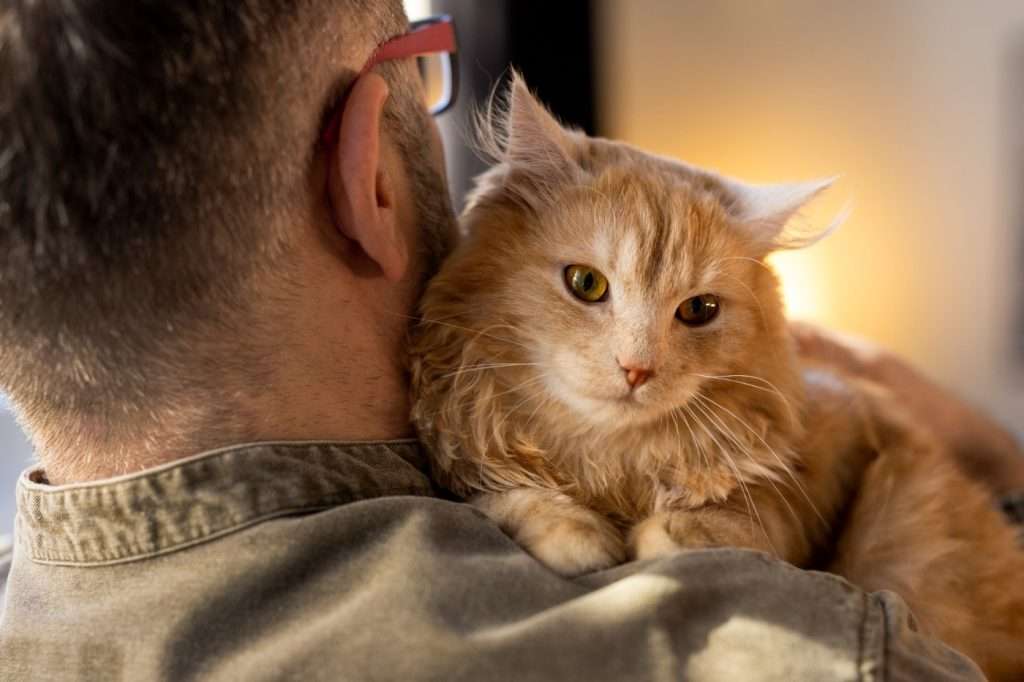
Insurance for dog or cat in the UK - what is the best choice?
Insurance for dog or cat in the UK can take 4 basic forms. We can divide them by coverage:
-
Accidental cover only - this is the cheapest and most basic policy option. Such insurance for dog covers post-accident treatment necessary after a broken paw, for example, but will not work for diseases such as cataracts, for example. Considering the cost of surgery, such a product definitely makes sense, although more extensive offers are worth considering;
-
Maximum benefit cover – normally provides a fixed monetary limit for each condition. Once that condition’s limit is exhausted, renewing the policy does not automatically restore it; check the terms.
Or because of the protection period:
-
Time-limited cover – normally limits payment for a condition by both money and time, often 12 months from treatment or symptoms as defined in the policy. Renewal does not automatically restart that condition’s treatment period.
-
Lifetime cover – can renew an annual vet-fee limit and continue cover for eligible ongoing conditions if the policy is renewed without a break. It remains subject to limits, exclusions, excesses and policy terms; it is not unlimited cover.
Before switching insurers, check how each treats existing or previous conditions. Some policies exclude them, while others may offer limited cover subject to specific eligibility and terms. Do not cancel existing cover without understanding any gap or loss of cover.
The appropriate type and level of cover depend on the pet, available budget and financial risks. Compare actual policy terms rather than assuming that a marketing label guarantees comprehensive protection.
Let’s mention two more parameters that have a decisive impact on both the premium and the reasonableness of the policy itself. These are the sum insured and the amount of the insurance deductible. The first parameter determines the maximum amount your insurer will reimburse, while the second determines the amount you will have to spend out of your own pocket when you go to the vet. Usually, it falls within the range of £0-£250. The lower it will be, the higher the premiums, of course, so sometimes it pays to buy cheaper insurance, which you will use only in case of more serious problems.
What do the insurance premiums for dog or cat in the UK depend on?
Insurers may consider factors such as:
-
Animal species - statistically speaking, insurance for a dog will be more expensive than insurance for a cat;
-
Breed of animal - certain breeds of dogs and cats are particularly prone to the occurrence of certain diseases and injuries. For example, German Shepherds often suffer from hip and spinal problems;
-
Your pet’s age - The older your pet is, the greater the risk of age-related diseases;
-
Your preferences - some policies offer particularly broad coverage, while others are much more limited (but also usually cheaper);
-
Your pet’s gender;
-
Zip code;
-
Your age.
Read the policy documents and ask the insurer to explain any limits, exclusions, excesses or co-payments before deciding.
Does insurance for dog in the UK pay off?
Well, on this subject, everyone will have their own opinion. Premiums and suitable cover depend on the pet, policy and budget; an undated low-price example is not a reliable quotation. It may help manage eligible veterinary costs within its limits and conditions; compare the premium, excess and potential uncovered costs against your household budget.
From our perspective, insurance for dog or cat will be especially justified if your pet is still young - this is when accidents such as the aforementioned staples, fractures and other injuries are most common. Of course, the risk of cancer increases with age, but these types of treatments are more spread out over time and, while still expensive, probably won’t force you to borrow money from friends or the bank.
FAQ
Frequently asked questions
How do time-limited and maximum benefit cover differ?
Time-limited cover has a condition-specific time limit; maximum benefit cover has a condition-specific monetary limit. Renewal does not automatically reset either limit.
Is lifetime cover unlimited?
No. Eligible ongoing conditions can remain covered on renewal, subject to annual limits, exclusions, excess and policy terms.
Are all previous conditions always excluded?
Not universally. Check the particular policy, any optional cover and insurer eligibility rules before switching.
How much will cover cost?
Obtain a current individual quote. Costs depend on the pet, location, cover and underwriting.
Does the personal story guarantee my claim will be paid?
No. The author’s December 2020 experience is a personal account; every claim depends on its own policy and circumstances.