TL;DR
In short
- Hire purchase is unlikely to increase how much you can borrow: mortgage lenders must take full account of your committed expenditure, including hire purchase agreements, so instalments reduce the income available for mortgage payments.
- Making your repayments on time can help build your credit history.
- Don’t take out credit just to build your credit history, as the extra costs add up.
- Other steps can also help, such as registering on the electoral roll and paying your bills on time.

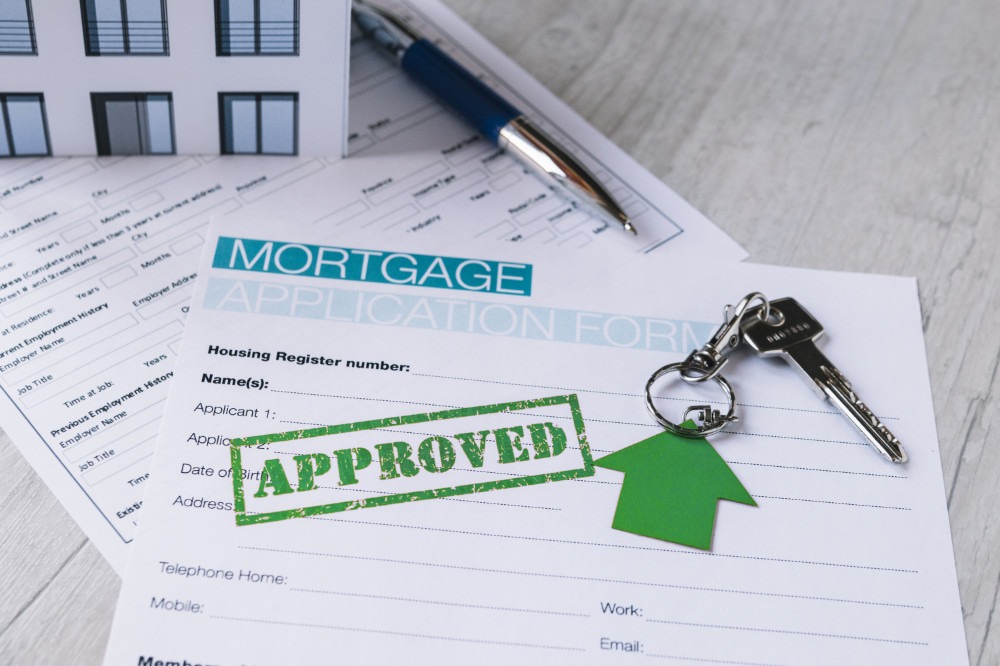
For reasons that have not been fully explained, many people believe that buying products on hire purchase is a great way to boost your credit rating. Hire purchase is a credit agreement where you pay for goods in instalments and own them once all payments are made. While this belief is not entirely incorrect, it is worth finding out a little more about it to get you closer to, rather than further away from, achieving the dream of owning your own property. That being said, does taking products on hire purchase build your creditworthiness, or does it hurt it after all?
What is creditworthiness?
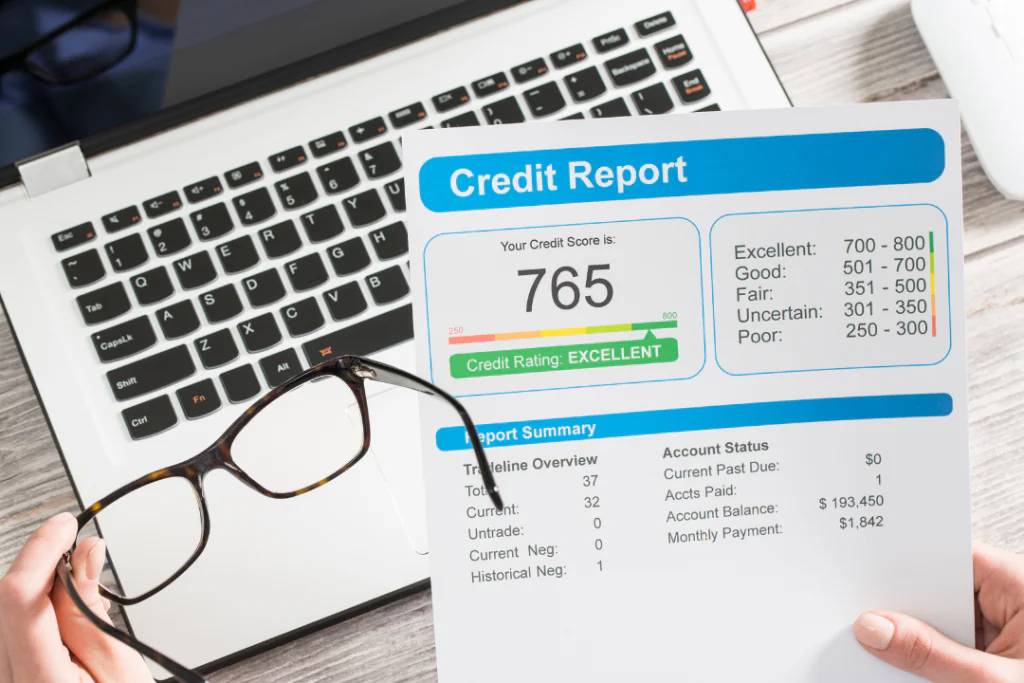
If you are at the very beginning of your journey towards having your own property, you need to know some basic concepts and the differences between creditworthiness, credit history and credit score.
In the simplest terms, creditworthiness (affordability) determines the amount of money you can borrow under a mortgage. Each bank calculates it slightly differently, so you may find that one lender will fund the purchase of a home with a maximum value of £250,000, while its competitors will agree to lend you £270,000. Many lenders cap most mortgages at around 4 to 4.5 times the applicants’ annual income, although some may lend more in certain circumstances. Generally, the higher your income and the lower your committed and essential spending, the more you may be able to borrow, although each lender applies its own affordability assessment and lending criteria.
Your credit history refers to the kind of borrower you have been up to now. If you have paid all your debts on time and have not requested an extension of the repayment period, this good repayment record can help your mortgage application and may widen your options. Late or missed payments can be recorded on your credit file and may affect how lenders view your application.
Credit score is derived from your credit history - it is a numerical indicator that assesses your credibility as a borrower. Each credit reference agency calculates its own score, and lenders use their own criteria when assessing your application. In addition to credit history, open bank accounts and credit cards held are also analysed. Interestingly, one way to improve your credit score is to register on the electoral roll. Registration is not complicated, so be sure to keep this in mind.
What is the impact of hire purchase?
Buying on instalments is unlikely to increase how much you can borrow: when assessing affordability, mortgage lenders must take full account of your committed expenditure, which includes credit commitments such as hire purchase agreements, so regular instalment repayments reduce the income available for mortgage payments. On the other hand, if you buy a washing machine on instalments and make regular repayments, this can help build your credit history.
Should you buy on hire purchase to build your credit history?
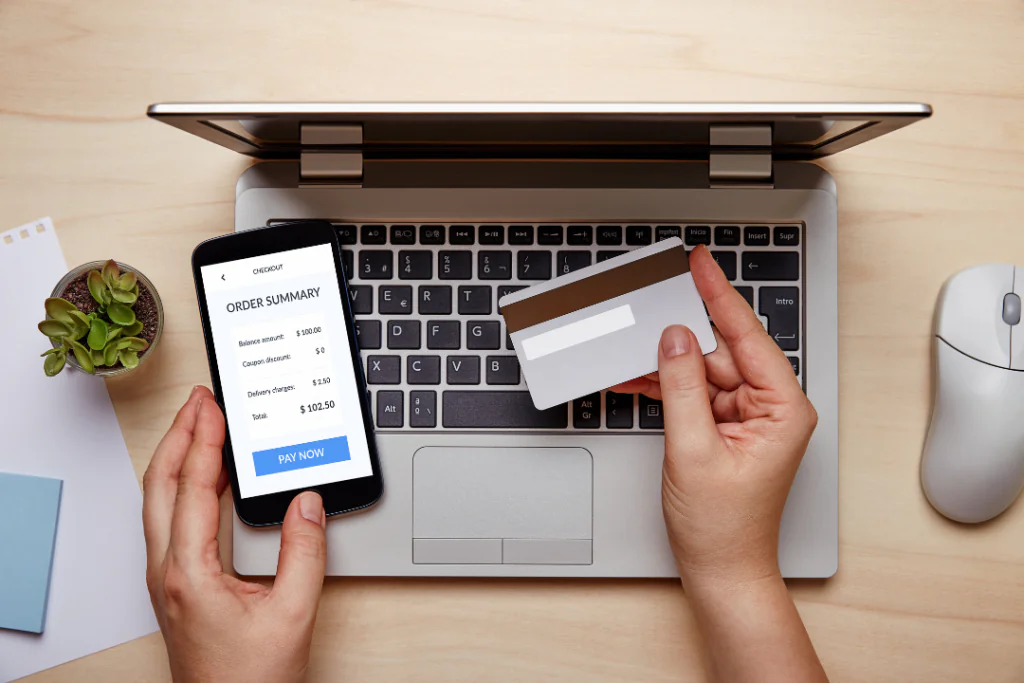
Above all, don’t make ‘artificial’ purchases. Buying items just to build up your credit history is simply pointless, as the extra costs will realistically hit you in the pocket. If you are serious about buying a property, consider raising more money for a deposit (10% instead of 5%). A larger deposit means borrowing less and a lower loan-to-value, which can give you access to more mortgage deals.
Avoid both very small and very large loans. For cheap products, such as a kettle or toaster, buying on instalments makes little sense, and a repayment of a few pounds is easy to overlook. On the other hand, a large finance agreement, for example for a car, adds a regular commitment that is likely to reduce how much a lender will let you borrow.
If you already need an item, such as furniture for your new home, and choose to spread the cost, paying on time can help your credit history. Only borrow what you can comfortably afford.
Using credit responsibly before a mortgage application
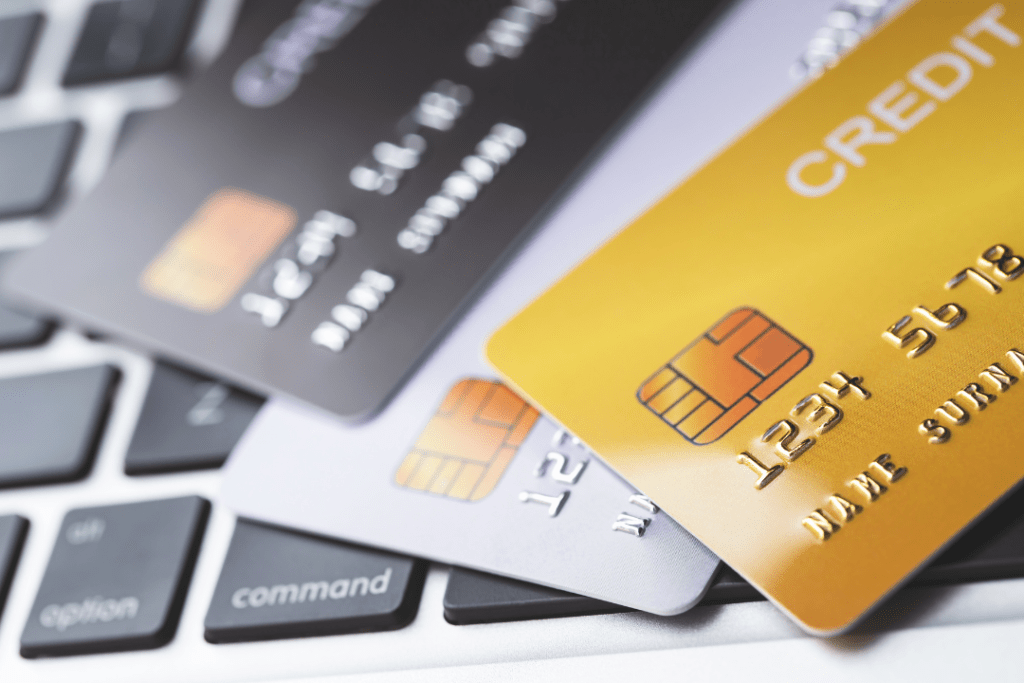
While we can’t say that it’s “worth it” to buy something on hire purchase, one option is to use one credit card for regular purchases. Many credit cards offer an interest-free period on purchases, but only if you repay the full balance by the due date; if you don’t, interest is usually charged. Of course, third-party providers can also be used, but a card used responsibly and repaid on time can help you build your credit history.
Lenders may take your credit card limits and balances into account when assessing how much you can borrow. Before closing a credit card, consider how it could affect your credit utilisation and credit history, and ask a mortgage adviser if you are unsure. Additionally, maxing out your credit limit can have a negative impact on your credit score and, as we have already established, this is important when applying for a mortgage. Try to keep your balance below about 30% of your credit limit.
Also keep an eye on repayment deadlines - missed payments can be recorded on your credit file and can stay there for six years. Credit commitments such as loans and finance agreements are an important part of how lenders assess you, so you need to pay particular attention to paying them on time.
Are there any alternatives?
You may be approaching borrowing with an abundance of caution - that’s very wise! If you don’t want to use a credit card or buy on instalments in any other way, you can opt for:
-
If you already need a pay-monthly phone contract, paying it on time may help demonstrate a payment history. Compare its total cost and only take it if it suits your needs and budget; do not add an unnecessary commitment just to improve your credit profile.
-
Formally settling in one place - ensure that all bills are issued to one home address and one or two people (depending on whether you are applying for credit alone or with a partner).
Also check your electricity, water and gas bills for errors and contact the provider to correct them, because incorrect bills can lead to late payments.
Summary
We hope this guide has cleared up your doubts about hire purchase. Buying a property is a very serious decision, so we are very keen to make sure you know exactly how to prepare for this transaction. If you are ready to start on the road to your own home, be sure to contact us!
The first meeting with our advisor is completely free of charge and does not oblige you to anything. During an initial consultation, we can discuss your circumstances, explain the mortgage process and identify what information is needed to assess your options. Don’t wait, free yourself from renting today!
FAQ
Frequently asked questions
Does hire purchase improve my credit score?
Making hire purchase repayments on time can help build your credit history, which your credit score is derived from. Each credit reference agency calculates its own score, and lenders use their own criteria when assessing your application.
Does hire purchase affect how much I can borrow for a mortgage?
Buying on instalments is unlikely to increase how much you can borrow. When assessing affordability, mortgage lenders must take full account of your committed expenditure, which includes hire purchase agreements, so regular instalment repayments reduce the income available for mortgage payments.
Should I take out credit just to build my credit history?
No. Buying items just to build up your credit history adds extra costs, and late or missed payments can be recorded on your credit file and can stay there for six years.
Can a credit card help build my credit history?
One option is to use one credit card for regular purchases: used responsibly and repaid on time, it can help you build your credit history. Many credit cards offer an interest-free period on purchases, but only if you repay the full balance by the due date; if you don’t, interest is usually charged. Try to keep your balance below about 30% of your credit limit.
How else can I build my credit history before applying for a mortgage?
You can register on the electoral roll and pay your bills on time. If you already need a pay-monthly phone contract, paying it on time may help demonstrate a payment history. Compare its total cost and only take it if it suits your needs and budget; do not add an unnecessary commitment just to improve your credit profile.